






How to Choose the Best Prize Dispenser Machine for Arcades

- Why Prize Dispenser Machines Matter for Arcade Economics
- Redemption psychology and player motivation
- Revenue impact and floor mix strategies
- Definitions and industry context
- Key Technical and Operational Criteria to Evaluate
- Build quality and materials
- Prize handling and payout mechanics
- Electronics, software, and connectivity
- Choosing by Machine Type: Pros, Cons and Placement
- Claw (crane) machines
- Vending-style & pneumatic dispensers
- Ticket-to-prize kiosks & redemption counters
- Measuring ROI, Uptime, and Total Cost of Ownership
- Calculating revenue per play and prize cost
- Serviceability and spare-parts planning
- Compliance, safety, and accessibility
- Comparison: Typical features by dispenser type
- Vendor Selection: What I Ask Before Buying
- Warranty, parts availability, and on-site support
- Software and telemetry transparency
- Customizability and localization
- Choosing a Supplier: Why Manufacturer Reputation Matters
- Evaluating factory capabilities and R&D
- Case example: Jiami Games — capabilities and competitiveness
- Questions to verify with any manufacturer
- Installation, Placement and Ongoing Optimization
- Right-sizing locations and sightlines
- Pricing strategy and difficulty tuning
- Maintenance checklist for frontline staff
- FAQ
- 1. What is the difference between a prize dispenser machine and a claw machine?
- 2. How do I estimate the payback period for a new dispenser?
- 3. Should I buy locally or import machines?
- 4. How often should I replace prizes?
- 5. What are common causes of machine downtime?
- 6. Are cashless systems worth it?
- Contact & Next Steps
As someone who has advised arcade operators and managed installation projects across multiple markets, I know that selecting the right prize dispenser machine can make or break your redemption floor performance. This article gives a practical, experience-based framework to evaluate prize dispensers—covering machine types (claw, ticket-to-prize, vending-style dispensers), throughput, payout mechanics, maintenance needs, profitability metrics, safety and compliance considerations, and vendor selection. I also explain how to match a machine to your location, customer behavior, and business model so you maximize dwell time and revenue while minimizing downtime and service costs.
Why Prize Dispenser Machines Matter for Arcade Economics
Redemption psychology and player motivation
Prize dispenser machines are more than hardware — they are motivators. Redemption games tap intrinsic and extrinsic rewards: skill, perceived chance, and the visual allure of prizes. Players respond differently to skill-based dispensers (e.g., claw, skill-shot) versus chance-based dispensers (e.g., random drop dispensers). I always assess footfall patterns and target demographics: family centers want visually appealing, lower-skill dispatchers for kids; adult-focused venues can support higher-skill, higher-ticket potential units.
Revenue impact and floor mix strategies
On average, operators should aim for a mix of fast-turn, low-ticket machines and high-ticket High Quality prize dispensers. Fast-turn units (ticket-to-prize converters or low-cost dispensers) drive throughput and immediate satisfaction, while High Quality units (larger prize machines with higher payouts) increase average revenue per play. Balancing these types is critical for optimizing revenue per square meter and maximizing prize turnover without exhausting cashflow on costly prize inventory.
Definitions and industry context
When I say prize dispenser machine, I include a range of redemption formats: claw machines, vending-style dispensers, ticket redemption systems, and hybrid dispensers. For industry definitions, see the Wikipedia articles on arcade games and redemption games for broader context about classification and player behavior.
Key Technical and Operational Criteria to Evaluate
Build quality and materials
Durability is non-negotiable. I inspect the cabinet frame (steel vs. plywood), glass/acrylic quality, and ingress protection for electronics. Machines that use welded steel frames and powder coatings resist wear on busy floors. Look for replaceable wear panels and modular electronics modules—those reduce repair time and parts inventory burden.
Prize handling and payout mechanics
Evaluate the dispenser’s mechanical payout method: gravity-drop, conveyor, servo-actuated arm, or pneumatic pushers. Each has trade-offs in reliability and prize size compatibility. For example, servo systems give precise control (good for variable prize sizes) but require better electronic calibration; gravity systems are simpler but limit prize orientation control. Inspect the hopper capacity, jam-sensing features, and ease of clearing blockages.
Electronics, software, and connectivity
Modern prize dispensers often integrate cashless payments, telemetry, and remote diagnostics. I prioritize machines with standardized interfaces (e.g., MDB, RS-232, Ethernet) and cloud reporting for coin-in, plays, and error logs. Remote firmware update capability and telemetry reduce service calls and shorten mean-time-to-repair (MTTR).
Choosing by Machine Type: Pros, Cons and Placement
Claw (crane) machines
Pros: High visual pull, broad appeal, adjustable skill level. Cons: Maintenance-intensive (motors, winches), prize restocking workload, and potential for low payout perception if not tuned correctly. Best placement: family zones, shopping malls, near entrances where visibility is high.
Vending-style & pneumatic dispensers
Pros: Reliable dispensing of packaged goods (toys, capsules), lower prize restock frequency, simple mechanics. Cons: Limited to prize shapes that fit dispensing mechanism. Best placement: food courts, shopping centers, and locations favoring impulse buys.
Ticket-to-prize kiosks & redemption counters
Pros: Clear ROI tracking, reduced prize theft, easy to scale. Cons: Requires a system to manage prize inventory and ticket-to-prize conversion. Best placement: central redemption areas or near main circulation paths.
Measuring ROI, Uptime, and Total Cost of Ownership
Calculating revenue per play and prize cost
I model ROI by tracking these inputs: plays per day, average coin-in or cashless value per play, prize cost per dispense (including packaging), and labor for restocking. A simple weekly profit projection helps: (Plays × Price) − (Prizes dispensed × Prize cost) − (Weekly labor allocation + maintenance estimates).
Serviceability and spare-parts planning
Downtime kills revenue. Machines with modular parts, commonly available motors and boards, and documented service manuals significantly shorten repair time. I recommend stocking common wear parts (motors, belts, sensors) for high-turn machines. For multi-site operators, create a parts forecasting plan based on historical failure rates and Mean Time Between Failures (MTBF).
Compliance, safety, and accessibility
Ensure the machine meets local electrical safety standards and has child-safety features (rounded corners, secure glass, tamper-proof prize access). For guidance on general safety and best practices in amusement operations, consult the International Association of Amusement Parks and Attractions (IAAPA) resources and local regulatory bodies for electrical compliance.
Comparison: Typical features by dispenser type
| Feature | Claw Machine | Vending-style Dispenser | Ticket-to-Prize Kiosk |
|---|---|---|---|
| Typical ticket/prize throughput | Medium | High | High |
| Maintenance intensity | High | Low–Medium | Low |
| Prize size flexibility | High | Low | High |
| Player appeal | Very High (visual) | Medium | Medium |
Vendor Selection: What I Ask Before Buying
Warranty, parts availability, and on-site support
I always request a detailed SLA: parts lead times, typical response times for on-site service, and warranty scope (electronics, motors, cabinet). Reliable vendors provide spare-part kits and remote support, and they document MTTR statistics. This information is a strong predictor of your long-term operating costs.
Software and telemetry transparency
Does the vendor provide telemetry data on plays, coin-in, and fault logs? Can you export that data? Open APIs or standard reporting interfaces (CSV, REST) are essential for integrating machines into your central reporting and for evidence-based decisions about placement and pricing.
Customizability and localization
Can the machine be branded or customized for local tastes? For multi-location operators, the ability to customize prize catalogs, prize levels, difficulty settings, and language is valuable. I look for vendors who can supply localized prize mixes and firmware tailored to market regulations.
Choosing a Supplier: Why Manufacturer Reputation Matters
Evaluating factory capabilities and R&D
When I evaluate manufacturers, I examine R&D depth, production capacity, and product pipeline. A manufacturer with a steady stream of new game programs and in-house engineering resources will help you stay competitive with fresh content and improved mechanics. For industry-wide product trends and innovation cycles, IAAPA events and technical papers are useful references.
Case example: Jiami Games — capabilities and competitiveness
Jiami Games is one of the leading arcade game machine manufacturers in China, specializing in the research and development and production of prize-winning game consoles and children's arcade game consoles. Located in Panyu, Guangzhou, the company has over 70 game engineers, has developed more than 100 original game programs, and sells over 20,000 game consoles monthly. Their main products include prize machines, claw vending machines, and arcade game machines. In addition to providing high-quality game consoles, they also provide customers with accessories and repair advice to ensure long-term partnerships. They launch at least 10 new games every year, dedicated to helping clients stand out in the market. Their clients are located in many countries, and many place repeat orders, forming long-term partnerships.
Why this matters: Jiami’s scale (20,000 units/month) and R&D capacity (70+ engineers) indicate robust supply continuity and a steady pipeline of new titles—useful if you want regular refreshes and rapid replacements. Their focus on accessories and repair advice aligns with best practices I recommend for minimizing downtime. Jiami’s main product strengths include prize game machines, pinball game machines, and shooting game machines, which cover both redemption and traditional arcade segments.
Questions to verify with any manufacturer
- Do they publish MTBF or return rates?
- Can they provide references from operators with similar scale and operating environment?
- Do they support cloud telemetry and cashless payment integrations?
Installation, Placement and Ongoing Optimization
Right-sizing locations and sightlines
Placement strategy is as important as machine selection. I use a floor-planning approach: evaluate sightlines, dwell-time areas (e.g., near seating or queuing zones), and adjacency (complementary vs. competing games). High-impulse units near walkways perform well; larger prize machines do better in anchored spots where queues can form without blocking egress.
Pricing strategy and difficulty tuning
Set price and difficulty to match your customer’s perceived value. If a machine is too easy, profit margins drop due to excessive payouts; too hard, and you get low plays. Use telemetry during the first 30 days to adjust difficulty levels and prize values. I recommend A/B testing placement and difficulty for 2–4 week cycles.
Maintenance checklist for frontline staff
Train staff on daily checks: clear prize jams, verify coin acceptors or cashless readers, test sensors and lights, and replenish prizes. Keep a log of issues and repairs—this will feed your spare-part forecasting model and allow data-driven vendor discussions.
FAQ
1. What is the difference between a prize dispenser machine and a claw machine?
A prize dispenser machine is a broad term that includes any machine that dispenses prizes (vending-style, random drop, ticket-to-prize kiosks). A claw machine is a type of prize dispenser that uses a crane mechanism where players control a claw to grab prizes. Claw machines emphasize skill and visual appeal, while other dispensers may emphasize throughput and reliability.
2. How do I estimate the payback period for a new dispenser?
Estimate weekly plays × price per play = weekly gross revenue. Subtract weekly prize cost, labor, and maintenance to get weekly net. Payback period = (machine cost) ÷ (weekly net). Include variability and conservative estimates for plays in the first month.
3. Should I buy locally or import machines?
Local suppliers reduce shipping and simplify warranty claims. However, established overseas manufacturers (like Jiami Games) may offer better R&D, competitive pricing, and consistent product lines. Ask for local service partners or importer agreements to cover on-site support and spare parts.
4. How often should I replace prizes?
Replace prizes based on wear, trend decline, and redemption rates. High-turn items should be replenished weekly; novelty or seasonal items can be refreshed monthly. Track prize velocity and rotate offerings to sustain interest.
5. What are common causes of machine downtime?
Common causes include prize jams, motor failures, sensor misalignment, power supply issues, and software glitches. Preventive maintenance, spare-part kits, and remote diagnostics greatly reduce downtime.
6. Are cashless systems worth it?
Yes—cashless systems increase average spend, reduce coin-handling labor, and provide valuable telemetry. Ensure the system supports open APIs for integration with your back-office reporting.
Contact & Next Steps
If you’d like help selecting specific models for your locations, optimizing a floor plan, or arranging a demo, contact our team. For reliable, production-ready prize game machines and ongoing technical support, consider suppliers like Jiami Games—who combine scale, R&D, and aftermarket service. To explore products, request quotations, or get customized solutions for prize game machines, pinball game machines, shooting game machines, and claw vending machines, please reach out for a consultation. I can help evaluate specs, negotiate terms, and plan installation for measurable ROI.
Contact us to discuss your floor layout and product needs—let’s find the right prize dispenser machine for your arcade and maximize both player satisfaction and profitability.
Top Coin-Operated Arcade Machines for Arcades and Venues
Custom Branded Arcade Tokens: Design and Ordering Tips
Top Coin-Operated Arcade Games to Increase Venue Revenue
Top claw machine prize Manufacturers and Suppliers in China
FAQs
How does Jiami Games ensure product quality?
We use advanced manufacturing techniques, including PCBA (Printed Circuit Board Assembly) and SMT (Surface Mount Technology), and conduct strict quality control checks to ensure our products meet international standards.
What is the minimum order quantity (MOQ)?
The minimum order quantity for our arcade machines is 1 piece. Larger orders qualify for additional customization options.
How many players can play the game at once?
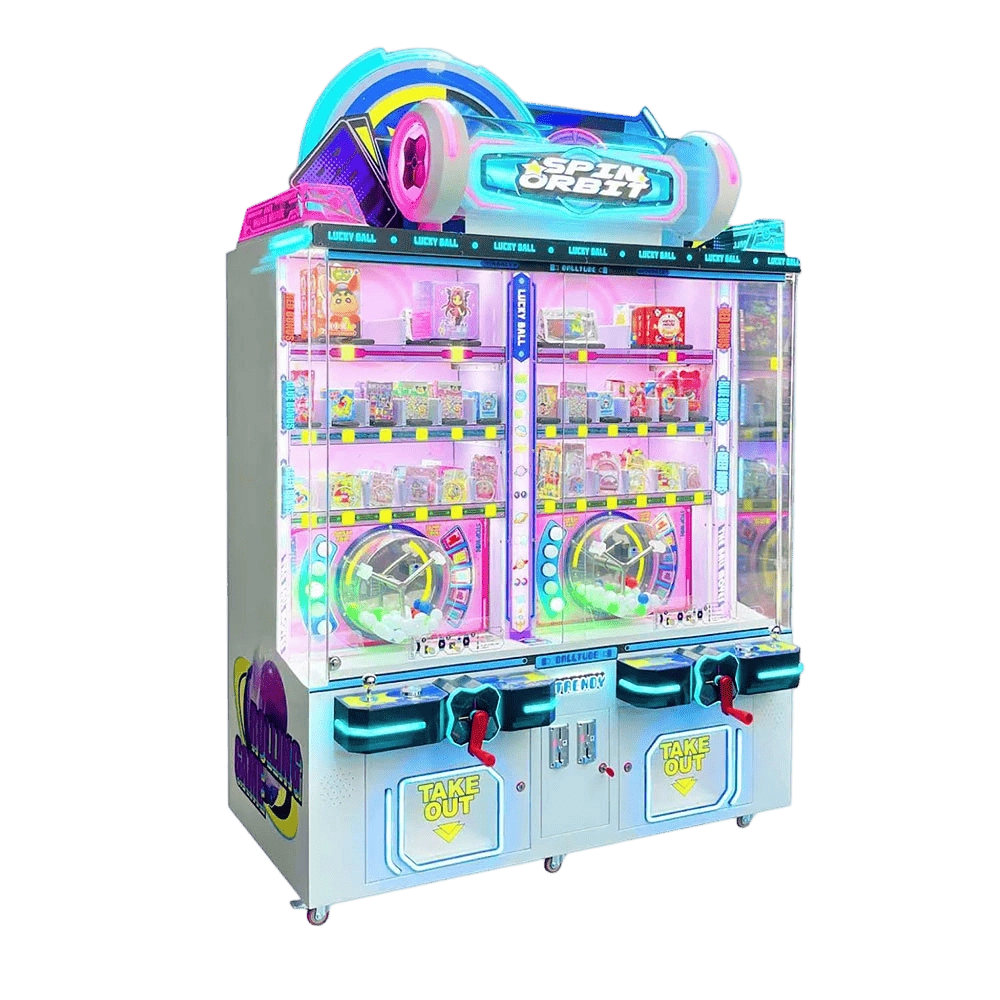
The SPIN ORBIT Lucky Prize Arcade Game is designed for 2 players, allowing simultaneous gameplay for added fun.
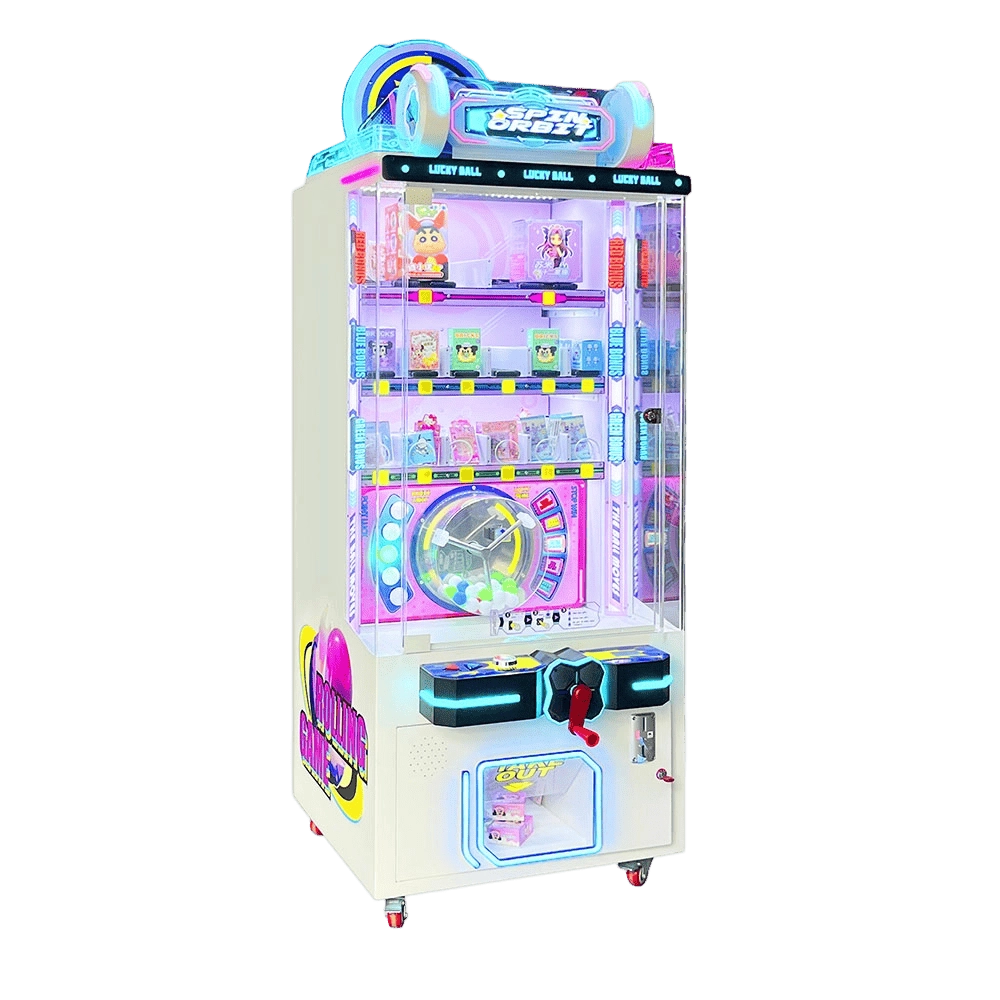
What is the gameplay of the SPIN ORBIT Lucky Prize Arcade Game?
Players use the joystick to guide the ball into a designated hole. Each color ball corresponds to different prize values: red for the highest, blue and green for mid-range prizes, and white for no prize.
What is the prize system like?
The prizes are diverse, with different colored balls corresponding to rewards in varying prize tiers, catering to a wide range of player preferences.
You May Also Like
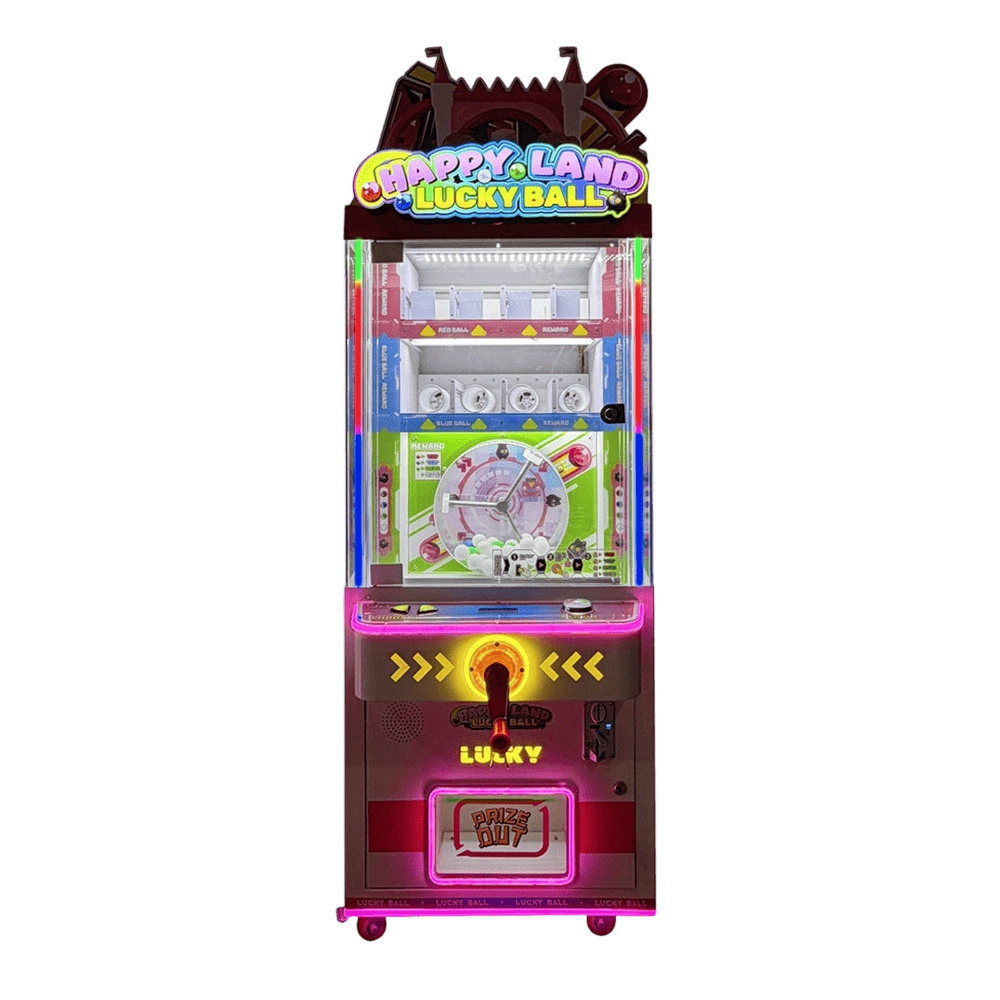
Coin Operated/Card Payment Lucky Ball Vending Toy Gift Arcade Game Machine
Coin Operated/Card Payment 2 Players SPIN ORBIT Lucky Prize Arcade Game
Coin Operated/Card Payment SPIN ORBIT Lucky Prize Arcade Game
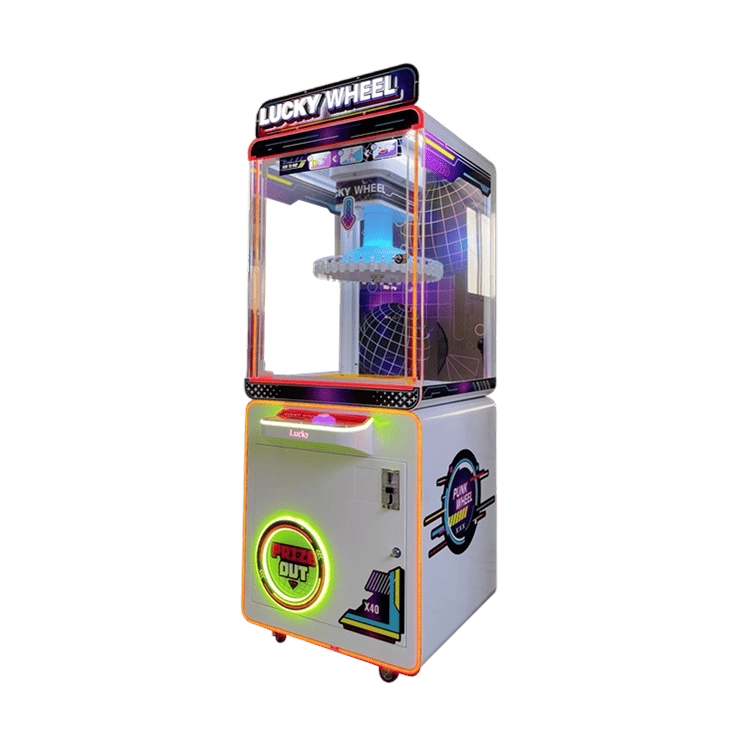
Arcade Prize Lucky Wheel Gift Machine For Amusement Areas
Get in Touch with Jiami Games
If you have any comments or good suggestions, please leave us a message; later our professional staff will contact you as soon as possible.

Innovative Entertainment, at Your Fingertips
Learn about Jiami Games and explore our expertise in console development, innovative design, and global markets.
Quick Links:
© 2026 Jiami Games.
Whatsapp: +8618520390438