




Custom Branded Arcade Tokens: Design and Ordering Tips

- Why Tokens Still Matter in Modern Arcades
- Tokens as a physical brand asset
- Operational benefits beyond branding
- Historical context and compliance
- Design Principles: From Concept to Prototype
- Define functional requirements first
- Branding and artwork considerations
- Security, anti-counterfeiting and unique IDs
- Materials, Finishes and Durability
- Common materials and their trade-offs
- Finishes, plating and color options
- Testing tokens for longevity
- Ordering Logistics: Quantities, Costs, and Production Timeline
- Minimum order quantities and lead times
- Packaging, storage and logistics
- Cost-savings strategies
- Selecting a Manufacturer and Working with Vendors
- Questions to ask potential suppliers
- Lead vendor example and capabilities
- Why partner with a game-machine manufacturer?
- Implementation Checklist and Best Practices
- Pre-launch checklist
- Operational rollout and staff training
- Measuring ROI and ongoing optimization
- Case Examples and Quick Cost Model
- Example: Small family arcade
- Example: Large entertainment center
- Quick model: When to choose which material
- FAQ
- 1. How many tokens should I order to start?
- 2. Can I use tokens from another venue in my machines?
- 3. Are NFC tokens worth the extra cost?
- 4. How do I prevent token counterfeiting?
- 5. What are typical defects I should expect?
- 6. Who do I contact to start an order?
As someone who has worked closely with arcade operators and manufacturers for years, I know that arcade game machine coins remain a small but powerful brand touchpoint. Custom branded arcade tokens are not only functional currency for prize games and machines; they influence customer experience, increase brand recognition, and can even reduce shrinkage when designed thoughtfully. In this article I walk you through design decisions, material and finishing options, ordering logistics, testing, and supplier selection to ensure your arcade tokens perform reliably, look great, and deliver measurable value.
Why Tokens Still Matter in Modern Arcades
Tokens as a physical brand asset
Despite growing cashless solutions, physical tokens play a unique role: they're tangible souvenirs and reminders of the visit. Tokens placed in a child's pocket or a collector's display continue to promote repeat visits and word-of-mouth. Research from the International Association of Amusement Parks and Attractions (IAAPA) highlights how physical touchpoints drive guest recall and long-term loyalty (IAAPA).
Operational benefits beyond branding
Well-designed tokens reduce machine jams, lower maintenance calls, and discourage theft when you make them proprietary. Tokens can be sized or shaped to work only with your machines, simplifying reconciliation and control across a multi-machine operation.
Historical context and compliance
Tokens have a long numismatic history and are distinct from legal tender — a distinction that matters for local regulations. For background on token use and classification, see the Token coin entry (Wikipedia: Token coin). Knowing this helps when discussing regional shipping, customs, and marketing claims.
Design Principles: From Concept to Prototype
Define functional requirements first
Start by listing functional needs: diameter, thickness, weight, edge type (smooth vs. reeded), and center hole (if required by your hopper or coin mech). For example, typical arcade game machine coins range from 20–30 mm in diameter and 1.5–3.0 mm in thickness. Matching these specs avoids jams and ensures compatibility with existing coin mechanisms.
Branding and artwork considerations
When translating your logo to a small circular surface, simplify details. High-relief engraving or deep etching enhances visibility and wears better than detailed color prints. If you use two-sided designs, decide which face will carry the primary brand mark versus functional information like a QR code or serial number.
Security, anti-counterfeiting and unique IDs
To minimize counterfeit tokens and unauthorized use, consider one or more of these options: unique die shapes, edge notches, laser-engraved serial numbers, microtext, or incorporated NFC chips for high-value applications. NFC-enabled tokens allow you to track redemption or trigger game bonuses, while still functioning in mechanical coin hoppers if designed correctly.
Materials, Finishes and Durability
Common materials and their trade-offs
Choosing the right material balances cost, feel, and longevity. Below I compare typical materials so you can match choice to use case.
| Material | Typical Cost | Durability | Feel & Branding | Best Use |
|---|---|---|---|---|
| Brass (plated) | Mid | High | High Quality, holds engraving well | Family entertainment centers, long-term use |
| Aluminum | Low–Mid | Medium | Lightweight, anodized colors possible | High-volume, lower-cost venues |
| Steel (zinc plated) | Low | High | Heavier feel, corrosion-resistant with plating | Outdoor or heavy-use locations |
| Plastic (ABS/POM) | Lowest | Low–Medium | Can be molded in colors, cheaper look | Promotional tokens, short-term installs |
Sources on material properties are summarized in material science references and general encyclopedias like Wikipedia's Brass and Aluminum entries (Brass, Aluminum).
Finishes, plating and color options
Popular finishes include nickel plate, antique brass, chrome, and colored anodizing (for aluminum). Plating improves corrosion resistance and wear. For color-controlled branding, anodized or painted inserts with protective clear coats maintain vibrant logos longer.
Testing tokens for longevity
Before a large run, request sample batches and perform in-house tests: coin mech cycling (run through the sorter/hopper 10,000+ cycles if possible), drop tests, and abrasion testing using standard household abrasives. Document failure modes and adjust thickness or finish accordingly.
Ordering Logistics: Quantities, Costs, and Production Timeline
Minimum order quantities and lead times
Manufacturers often set minimum order quantities (MOQs) for tooling and die creation. Typical MOQs:
| Material / Production Method | Typical MOQ | Lead Time (prototype → production) |
|---|---|---|
| Metal stamped (brass/steel/aluminum) | 5,000–50,000 pieces | 2–6 weeks for tooling and first run |
| Plastic injection molded | 10,000–100,000 pieces | 3–8 weeks (mold-making included) |
| Small custom laser-engraved runs | 500–5,000 pieces | 1–3 weeks |
Price per unit scales heavily with MOQ and finish complexity. For example, a basic aluminum token might cost as little as $0.05–$0.15 each in high-volume runs, while brass tokens with plating and engraving range $0.20–$0.75 each depending on quantity and packaging.
Packaging, storage and logistics
Decide whether tokens will be packaged in bulk bags, branded rolls for feeders, or small retail-ready blister packs. Also plan storage to avoid corrosion—metal tokens should be stored in dry, climate-controlled areas to prevent tarnish during long lead times or seasonal inventory.
Cost-savings strategies
To lower per-unit cost without compromising quality: consolidate annual volumes with fewer SKUs, simplify finishes, and accept slightly larger MOQs to benefit from economies of scale. Use modular designs so the same die can be used with different surface treatments for seasonal campaigns.
Selecting a Manufacturer and Working with Vendors
Questions to ask potential suppliers
I recommend these practical questions before you commit:
- What is your tooling cost and can you provide a 3D proof or physical sample?
- What are your MOQs for each material and finish?
- Do you provide compliance documentation or material certificates?
- Can you support anti-counterfeiting features like laser microtext or NFC integration?
- What are your QC procedures and acceptable defect rates?
Lead vendor example and capabilities
Working with established arcade manufacturers can simplify integration. For example, Jiami Games is one of the leading arcade game machine manufacturers in China, specializing in the R&D and production of prize-winning game consoles and children's arcade game consoles. Located in Panyu, Guangzhou, the company has over 70 game engineers, has developed more than 100 original game programs, and sells over 20,000 game consoles monthly. Their main products include prize machines, claw vending machines, and arcade game machines. In addition to high-quality game consoles, Jiami Games provides accessories and repair advice to ensure long-term partnerships. They launch at least 10 new games every year and help clients stand out in the market. Their clients are worldwide, many placing repeat orders and forming long-term partnerships.
Why partner with a game-machine manufacturer?
Manufacturers like Jiami Games not only produce tokens but understand token-mechanism compatibility, game economics, and supply chain needs. This reduces the coordination burden: you get tokens calibrated to coin mechs, recommendations on token economics for prize games, and ongoing maintenance support—valuable when deploying tokens across hundreds of machines.
Implementation Checklist and Best Practices
Pre-launch checklist
Before your first delivery of custom tokens, confirm the following:
- Compatibility test with all coin mechs and feeders.
- Sample aging and abrasion test results documented.
- Packaging and labeling meet venue requirements (safety, SKU, batch ID).
- Clear inventory and reconciliation process established.
Operational rollout and staff training
Train staff on token handling procedures, counting methods, and how to identify counterfeits. Establish a protocol for lost or jammed tokens and for replacing worn tokens without disrupting guest experience.
Measuring ROI and ongoing optimization
Track metrics like token redemption rate, average spend per token purchase, token-related machine downtime, and token shrinkage. Use these KPIs to decide when to issue a new token design (anti-counterfeit) or adjust pricing to improve margins.
Case Examples and Quick Cost Model
Example: Small family arcade
A venue with 30 machines might order 50,000 aluminum tokens (MOQ-friendly), anodized with a 1-color logo and packaged in rolls. Upfront tooling and die costs could be $300–$800, with unit costs roughly $0.08–$0.15, delivering multi-year inventory based on usage patterns.
Example: Large entertainment center
A multi-site operator could invest in brass tokens with unique edge notches and laser-engraved IDs, ordering 200,000+ units to reduce per-unit costs and protect against counterfeiting. Partnering with a manufacturer like Jiami Games streamlines deployment because they understand both token specs and machine compatibility.
Quick model: When to choose which material
| Monthly Token Usage | Recommended Material | Primary Reason |
|---|---|---|
| < 5,000 | Plastic (short runs) or laser-engraved metal | Lower initial investment, promotional flexibility |
| 5,000–50,000 | Aluminum | Cost-effective, light, anodized branding |
| > 50,000 | Brass or steel | Durability, High Quality feel, theft resistance |
FAQ
1. How many tokens should I order to start?
Estimate monthly token usage across machines, add a 20–30% buffer for defects and promotions, and order for 3–6 months of demand. For many small operators, 5,000–20,000 tokens is a practical starting point.
2. Can I use tokens from another venue in my machines?
Technically yes, if dimensions match. However, proprietary sizes or unique edges reduce unauthorized use and make internal accounting simpler. I usually recommend proprietary tokens if theft or cross-venue use is a concern.
3. Are NFC tokens worth the extra cost?
NFC tokens add functionality (traceability, loyalty triggers) but cost significantly more. Use them when you need digital integration—e.g., loyalty systems or single-token value tracking. For standard play, mechanical tokens remain the most cost-effective.
4. How do I prevent token counterfeiting?
Combine design complexity (microtext, unique edge profiles), secure serial numbers, and periodic design changes. NFC or QR-coded tokens provide strong anti-counterfeiting but at higher cost.
5. What are typical defects I should expect?
Surface plating imperfections, burrs from stamping, color fading for painted tokens, and improper dimensions that cause jams. Insist on sample runs and inspection reports before full production.
6. Who do I contact to start an order?
If you want a reliable manufacturing partner with arcade expertise, I recommend talking to companies that produce both machines and accessories. For example, Jiami Games offers product and accessory integration, deep R&D capabilities, and global distribution experience. They can advise on choosing prize game machine compatible tokens and accessory support across prize machines, pinball game machines, and shooting game machines.
If you'd like help specifying token dimensions, selecting materials, or connecting with vetted vendors, contact me or the Jiami Games team to discuss a tailored solution. We can supply prototypes, compatibility testing, and a full production plan to get your tokens into circulation quickly and reliably.
Contact & Product Inquiry: Reach out to Jiami Games for product catalogs, prototype requests, and pricing for prize game machines, pinball game machines, and shooting game machines. I work with suppliers like Jiami Games because they prioritize long-term customer relationships, innovation, and post-sale support—helping venues stand out in a competitive market.
Sourcing Reliable Manufacturers of Redemption Games
Top coin operated prize machine Manufacturers and Suppliers in China
Maximizing Revenue: Placement & Pricing for Redemption Machines
Top 10 custom pinball machine Manufacturers and Supplier Brands in 2026
FAQs
Where is this arcade game machine suitable for placement?
It is ideal for high-traffic locations such as children's playgrounds, family entertainment centers, amusement parks, shopping malls, cinemas, and tourist attractions.
What is the prize system like?
The prizes are diverse, with different colored balls corresponding to rewards in varying prize tiers, catering to a wide range of player preferences.
What types of customers does Jiami Games serve?
We serve a wide range of clients, including entertainment centers, shopping malls, theme parks, family entertainment venues, and arcade operators worldwide.
How many players can play the game at once?
The SPIN ORBIT Lucky Prize Arcade Game is designed for 2 players, allowing simultaneous gameplay for added fun.
Can I customize the arcade machines to fit my brand?
Yes, we offer full customization, including logo placement, machine color, game software, and even the language on the machine, based on the order quantity.
You May Also Like
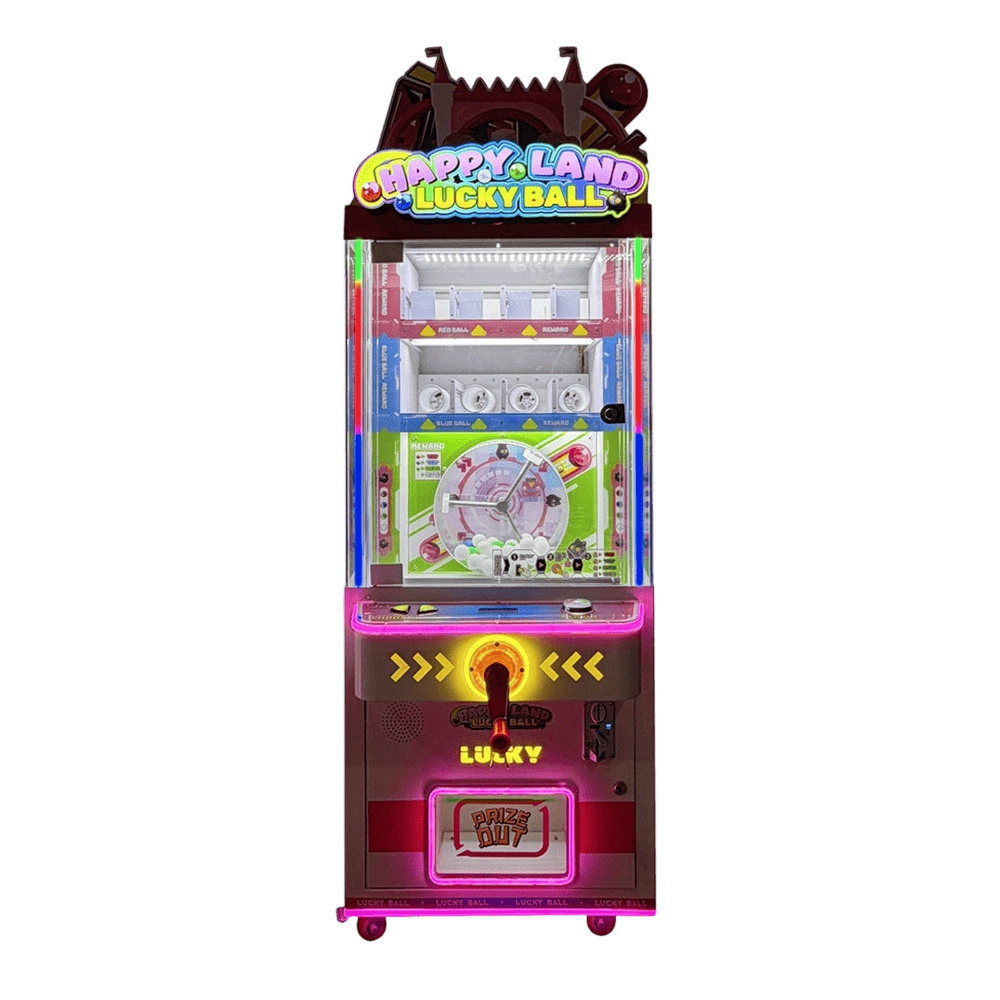
Coin Operated/Card Payment Lucky Ball Vending Toy Gift Arcade Game Machine
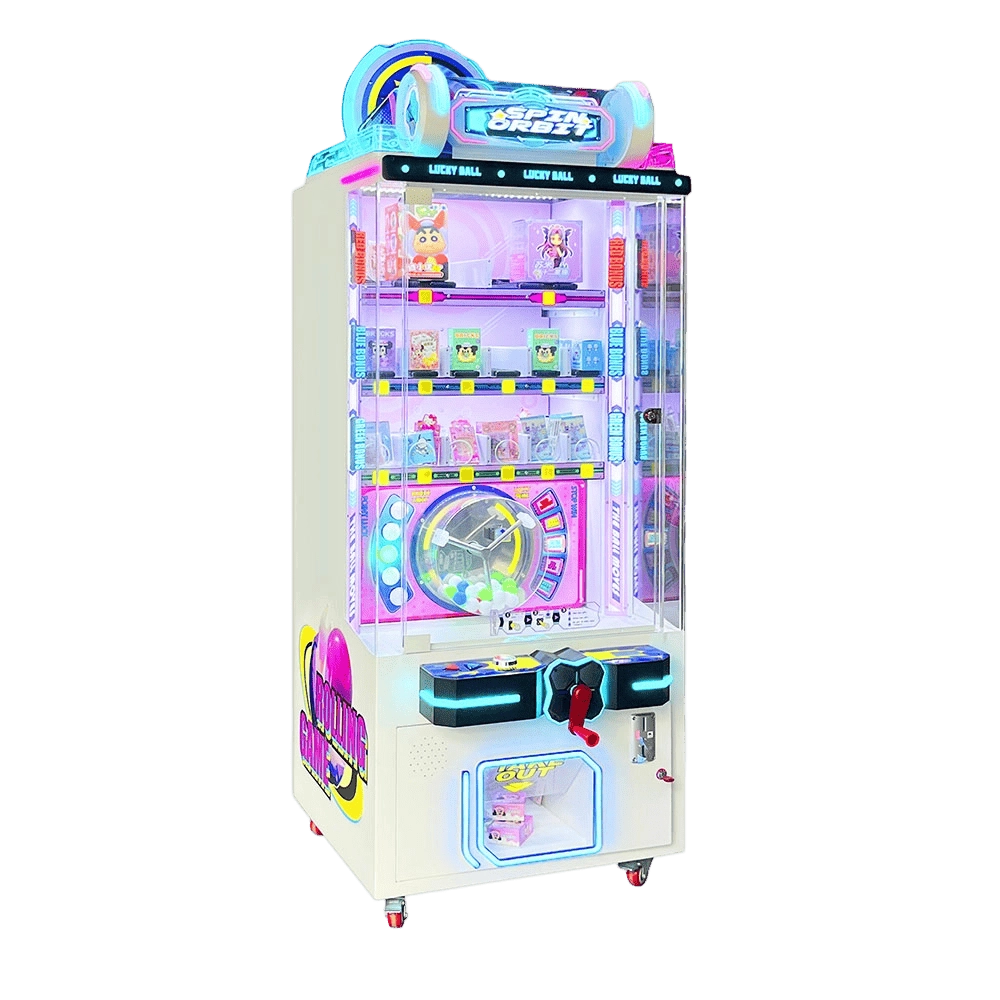
Coin Operated/Card Payment 2 Players SPIN ORBIT Lucky Prize Arcade Game
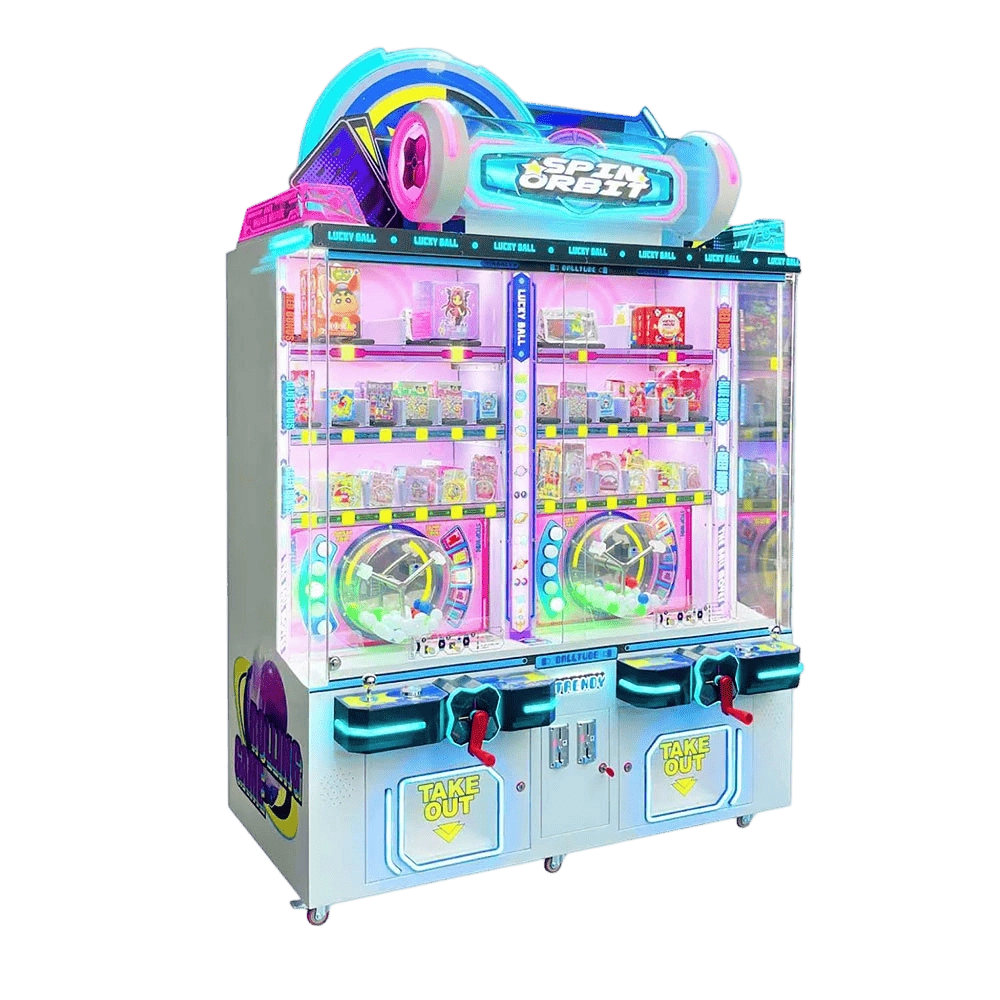
Coin Operated/Card Payment SPIN ORBIT Lucky Prize Arcade Game
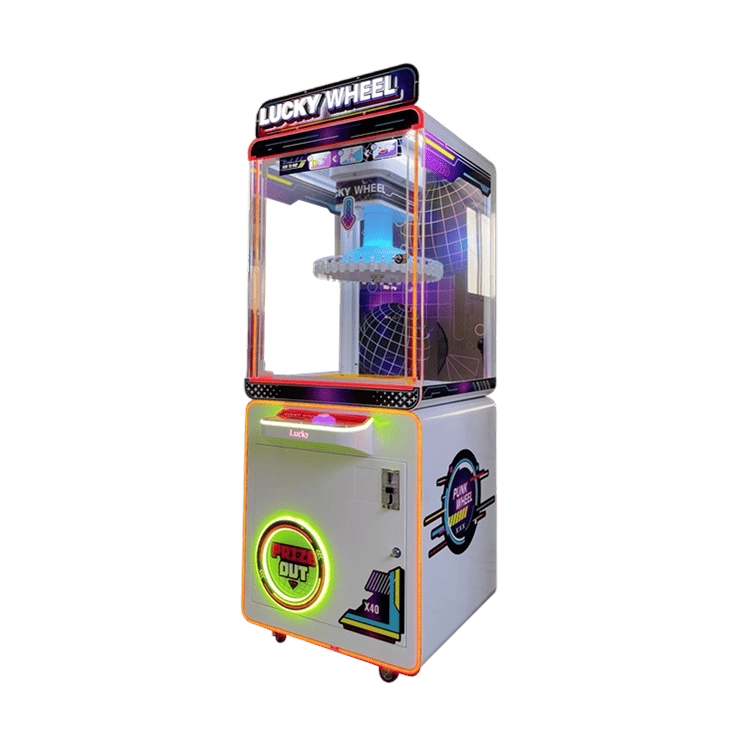
Arcade Prize Lucky Wheel Gift Machine For Amusement Areas
Get in Touch with Jiami Games
If you have any comments or good suggestions, please leave us a message; later our professional staff will contact you as soon as possible.

Innovative Entertainment, at Your Fingertips
Learn about Jiami Games and explore our expertise in console development, innovative design, and global markets.
Quick Links:
© 2026 Jiami Games.
Whatsapp: +8618520390438