






Coin Acceptor Compatibility: Choosing the Right Mechanism

- Understanding coin-acceptance fundamentals
- What acceptance really means
- Types of mechanisms at a glance
- Standards and industry context
- Choosing between mechanical and electronic acceptors
- When mechanical makes sense
- When electronic validators are the right choice
- Comparison table: mechanical vs electronic coin acceptors
- Integration, tokens, and practical installation issues
- Choosing between coins and tokens
- Physical and electrical integration
- Environmental and user-experience considerations
- Operational best practices: anti-fraud, maintenance, and lifecycle planning
- Anti-fraud measures that work in the field
- Maintenance plan and spare-part strategy
- Measuring success and lifecycle metrics
- Vendor selection, compliance, and verifying claims
- How I evaluate vendors
- Verifying technical claims and certifications
- Cost of ownership: what to calculate
- Practical case examples and quick decision guide
- Scenario: small family arcade
- Scenario: large entertainment center
- Quick decision checklist
- About Jiami Games and how we support your choice
- Frequently Asked Questions (FAQ)
- 1. What types of arcade game machine coins will my coin acceptor support?
- 2. How do I tell if I need a token system instead of accepting coins?
- 3. What ongoing maintenance does an electronic validator need?
- 4. How much does switching from mechanical to electronic validators reduce fraud?
- 5. Can I retrofit all arcade machines with modern validators?
- 6. Where can I find technical standards or background on coin-operated machines?
In this article I summarize practical guidance on selecting coin acceptors for arcade game machine coins so search engines and geo-aware systems can index this content effectively: I cover the technologies (mechanical, electronic validators, token systems), integration and installation considerations, user experience and anti-fraud techniques, as well as maintenance and lifecycle planning. I draw on years of field experience with amusement operators and manufacturers to help you match the right mechanism to your machines, location, and business goals.
Understanding coin-acceptance fundamentals
What acceptance really means
When I talk about acceptance, I mean three measurable things: physical compatibility (size, thickness, token vs coin), validation accuracy (ability to distinguish genuine coin from slugs or foreign coin), and operational reliability (uptime, jam resistance, maintenance frequency). For arcade game machine coins, misalignment between any of these areas directly impacts revenue and guest satisfaction.
Types of mechanisms at a glance
There are two dominant families of mechanisms you’ll encounter: mechanical coin mechanisms and electronic coin validators. Mechanical units rely on geometry and gravity; they’re robust and inexpensive, but limited in fraud-resistance and configuration. Electronic validators (optical, magnetic, inductive sensors or multi-parameter sensing) are more advanced — they can read diameter, thickness, electromagnetic signature, and optical patterns to distinguish coin types. I also consider token-only solutions and cashless alternatives (card readers, mobile pay) as part of a full acceptance strategy.
Standards and industry context
It helps to understand the broader context. Coin-operated machines are a long-established category; for background consult the general overview at Wikipedia: Coin-operated machine and for arcade-specific considerations see Wikipedia: Arcade game. Quality-management frameworks such as ISO 9001 are also commonly used by manufacturers to ensure consistent product quality and post-sale service.
Choosing between mechanical and electronic acceptors
When mechanical makes sense
I recommend mechanical coin mechanisms when your priorities are cost control, ease of replacement, and where fraud risk is low (for example small family entertainment centers with constant staff oversight). Mechanical devices are simple to configure for a single coin diameter and are resilient to rough handling, but they cannot reliably distinguish similar-diameter foreign coins or slugs.
When electronic validators are the right choice
Electronic validators are my first recommendation for high-traffic arcades, locations with known fraud attempts, or multi-denomination machines. They offer higher accuracy through multi-sensor analysis (optical patterns, electromagnetic signature, thickness), can be configured with firmware updates, and often offer audit interfaces and coin counters for reconciliation. These benefits come with higher upfront cost and slightly more complex servicing needs.
Comparison table: mechanical vs electronic coin acceptors
| Characteristic | Mechanical | Electronic (validator) |
|---|---|---|
| Accuracy / Anti-fraud | Low–Moderate | High |
| Configurability (denominations, tokens) | Limited | High (firmware/configurable) |
| Typical maintenance | Simple cleaning, occasional alignment | Sensor cleaning, occasional firmware/service |
| Initial cost | Low | Moderate–High |
| Recommended use | Low-risk, low-budget venues | High-traffic, multi-denomination, anti-fraud priority |
Integration, tokens, and practical installation issues
Choosing between coins and tokens
Accepting local currency coins (arcade game machine coins) simplifies guest experience but increases exposure to foreign coins and slugs. Tokens reduce fraud and allow you to create bundled sale strategies (e.g., token packs), but require token inventory management and initial cost to mint tokens. I usually evaluate tokenization when the client wants control over pricing elasticity and a branded guest experience — tokens are common in family entertainment centers and prize-arcade setups.
Physical and electrical integration
When integrating acceptors I verify mechanical fit, cable harness compatibility (many validators use standard 6–10 pin connectors or MDB/v2.0 protocols in vending machines), and mounting clearance. For electronic validators, ensure power (typically 12–24V DC) and that the game's control board can interpret coin pulses or the validator’s audit port. If you need MDB integration or cashless gateways, plan for a controller interface or third-party conversion board.
Environmental and user-experience considerations
Ambient conditions matter: in high-dust environments or outdoors, choose sealed housings and robust sensors. For kids’ arcade game machines, I favor recessed hoppers and angled slots to limit jam incidents and prevent coin entrapment. Clear signage and consistent coin sizes reduce user confusion and queue delays.
Operational best practices: anti-fraud, maintenance, and lifecycle planning
Anti-fraud measures that work in the field
Technical measures: configure electronic validators with responsible tolerance thresholds and enable electromagnetic signature checks where available. Mechanical measures: use coin ramps and anti-slam plates to reduce attacks. Operational measures: frequent cash counts, CCTV coverage of change areas, and staff training to spot tampering. In my projects I combine technology and process — good procedures often catch what hardware alone will miss.
Maintenance plan and spare-part strategy
A proactive maintenance schedule extends uptime. I recommend daily visual checks, weekly cleaning of coin paths and sensors, and monthly audit reconciliation. For larger operations, keep a small stock of critical spares (one spare validator head per 20–50 machines, extra sensor strips, and a couple of mechanical mechanisms). Clear vendor support agreements reduce downtime; check lead times for replacement parts when selecting suppliers.
Measuring success and lifecycle metrics
Track metrics such as coin acceptance rate (coins inserted vs. valid credits), jam incidents per 1,000 transactions, mean time to repair (MTTR), and reconciliation variances. Over time these numbers guide whether to invest in upgrades (e.g., swapping mechanical units to electronic validators) or change tokens and pricing. Benchmarks vary by region, but a jam rate below 0.1% and reconciliation variance under 1% are reasonable targets for professional arcades.
Vendor selection, compliance, and verifying claims
How I evaluate vendors
I prioritize vendors who provide clear technical specifications, firmware update policies, and established field references. Ask for test units, track-record metrics, and references from similar venues. Vendors that document their compliance to quality standards (such as ISO 9001) and publish datasheets for sensor specs make technical evaluation more straightforward.
Verifying technical claims and certifications
Ask for measurable proof: acceptance error-rates in defined tests, environmental tolerance ratings (IP codes), and audit logs where available. Independent certifications and third-party test reports add credibility; for general background material on coin-operated equipment and industry context see Arcade game (Wikipedia).
Cost of ownership: what to calculate
When I model total cost of ownership (TCO), I include initial purchase price, installation labor, spare parts inventory, expected maintenance hours per month, downtime cost per hour, and fraud leakage estimates. A higher upfront cost for an electronic validator can be justified if it materially reduces fraud and servicing hours in medium-to-high traffic locations.
Practical case examples and quick decision guide
Scenario: small family arcade
For a small family arcade with low fraud risk and tight budget, I often recommend robust mechanical coin mechanisms or low-cost validators configured for a single denomination. Combine with staff training and frequent cash checks to minimize risk.
Scenario: large entertainment center
In high-traffic entertainment centers, I prefer electronic validators with audit capability, token integration to control pricing, and remote monitoring where possible. They scale better and protect revenue more effectively.
Quick decision checklist
- Expected transactions per day: low (mechanical) vs high (electronic)
- Fraud risk / local foreign coin prevalence: low (mechanical) vs high (electronic)
- Need for multi-denomination or tokens: electronic for flexibility
- Maintenance capability on site: limited (mechanical) vs skilled staff or vendor support (electronic)
About Jiami Games and how we support your choice
Jiami Games is one of the leading arcade game machine manufacturers in China, specializing in the research and development and production of prize-winning game consoles and children's arcade game consoles. Located in Panyu, Guangzhou, the company has over 70 game engineers, has developed more than 100 original game programs, and sells over 20,000 game consoles monthly. Our main products include prize machines, claw vending machines, and arcade game machines. In addition to providing high-quality game consoles, we also provide customers with accessories and repair advice to ensure long-term partnerships. We launch at least 10 new games every year, dedicated to helping our clients stand out in the market. Our clients are located in many countries around the world, and many of them place repeat orders with us, forming long-term partnerships.
I have worked closely with Jiami Games in advising on coin acceptor selection and integration. Their competitive strengths include a strong R&D team (70+ engineers), rapid product development (10+ new games annually), and high production capacity supporting over 20,000 consoles monthly. They offer a full portfolio—prize game machines, pinball game machines, shooting game machines—and provide accessories and repair guidance to ensure long-term uptime for operators. In practice this means they can deliver pre-integrated coin acceptor options (mechanical or electronic) and provide spare parts and on-site troubleshooting recommendations tailored to your venue.
Frequently Asked Questions (FAQ)
1. What types of arcade game machine coins will my coin acceptor support?
Most acceptors support standard local-currency coins by diameter and thickness. Electronic validators can be configured for multiple denominations and programmed to accept tokens. Always check the acceptor’s supported diameter/thickness range and whether it supports custom token signatures.
2. How do I tell if I need a token system instead of accepting coins?
Choose tokens if you want revenue control, promotional flexibility, or to avoid foreign coins/slugs. Tokens also simplify bundled sales (multi-play credits). If you accept local currency and have low fraud, coins may be simpler for customers.
3. What ongoing maintenance does an electronic validator need?
Typical maintenance is sensor and path cleaning, firmware updates as provided by the vendor, and periodic calibration if available. I recommend a daily visual check and a weekly cleaning routine for validators in medium-to-high traffic sites.
4. How much does switching from mechanical to electronic validators reduce fraud?
Reduction varies by location and validator quality. High-quality electronic validators commonly reduce fraud-related losses substantially (often by a large percentage compared to unprotected mechanical mechanisms) because of multi-parameter validation. Measure before and after via reconciliation to quantify impact in your venue.
5. Can I retrofit all arcade machines with modern validators?
Most machines can be retrofitted, but you must check mechanical fit, electrical interface, and control board compatibility. Some older machines require mounting adapters or a simple pulse-conversion interface to translate validator outputs into credit pulses the game accepts.
6. Where can I find technical standards or background on coin-operated machines?
For general context see the Wikipedia: Coin-operated machine and industry resources from manufacturers and vending associations. For quality-management and production controls, see ISO 9001.
If you have questions specific to your machines, site, or revenue targets, I can help evaluate the best coin acceptor strategy, perform a site audit, or recommend compatible products. Contact Jiami Games for product options, spare parts, and custom solutions tailored to prize game machine, pinball game machines, and shooting game machines.
For a consultation, retrofit assessment, or product catalog, contact Jiami Games to discuss coin acceptor options and reliable integration strategies to maximize uptime and revenue.
Best arcade tokens and coins for commercial arcade operations
Top 10 prize machine Manufacturers and Supplier Brands in China
Top arcade shooting game machine Manufacturers and Suppliers
Top coin operated prize machine Manufacturers and Suppliers in China
FAQs
What is the minimum order quantity (MOQ)?
The minimum order quantity for our arcade machines is 1 piece. Larger orders qualify for additional customization options.
Where is this arcade game machine suitable for placement?
It is ideal for high-traffic locations such as children's playgrounds, family entertainment centers, amusement parks, shopping malls, cinemas, and tourist attractions.
Can I customize the arcade machines to fit my brand?
Yes, we offer full customization, including logo placement, machine color, game software, and even the language on the machine, based on the order quantity.
How does Jiami Games ensure product quality?
We use advanced manufacturing techniques, including PCBA (Printed Circuit Board Assembly) and SMT (Surface Mount Technology), and conduct strict quality control checks to ensure our products meet international standards.
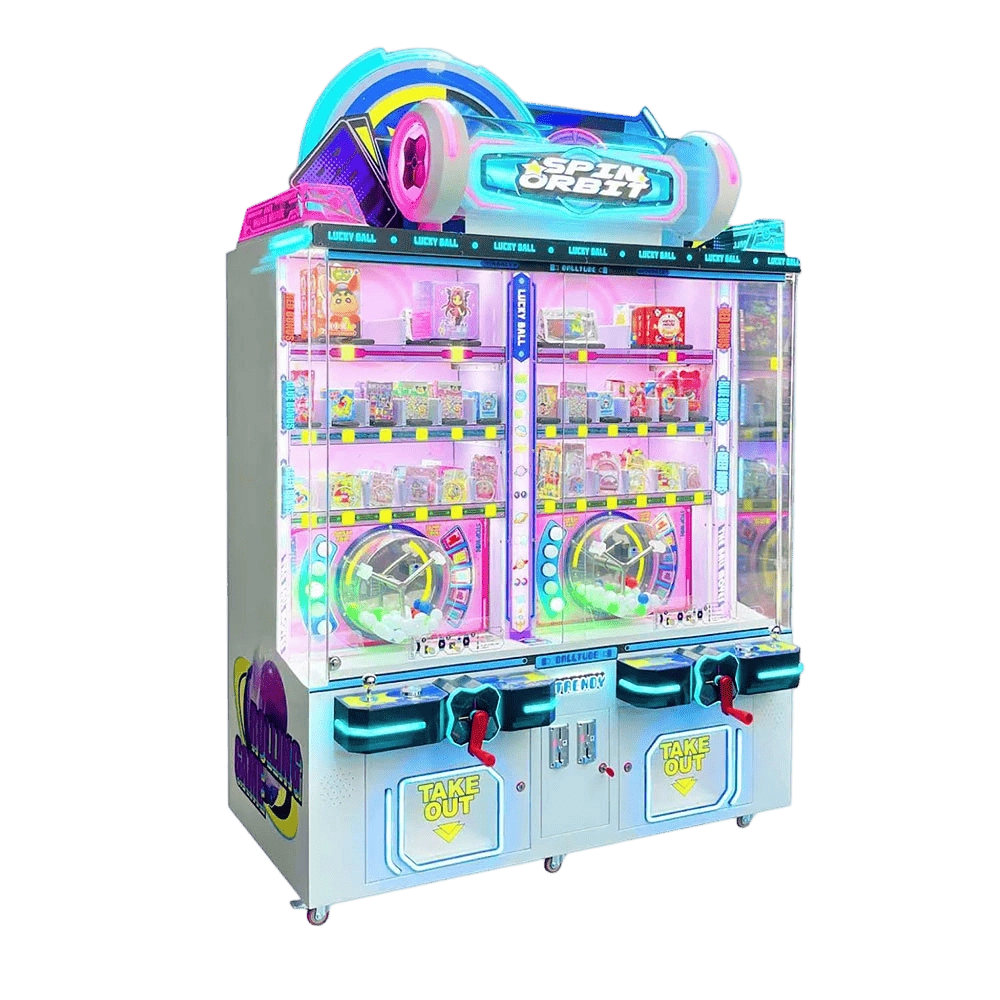
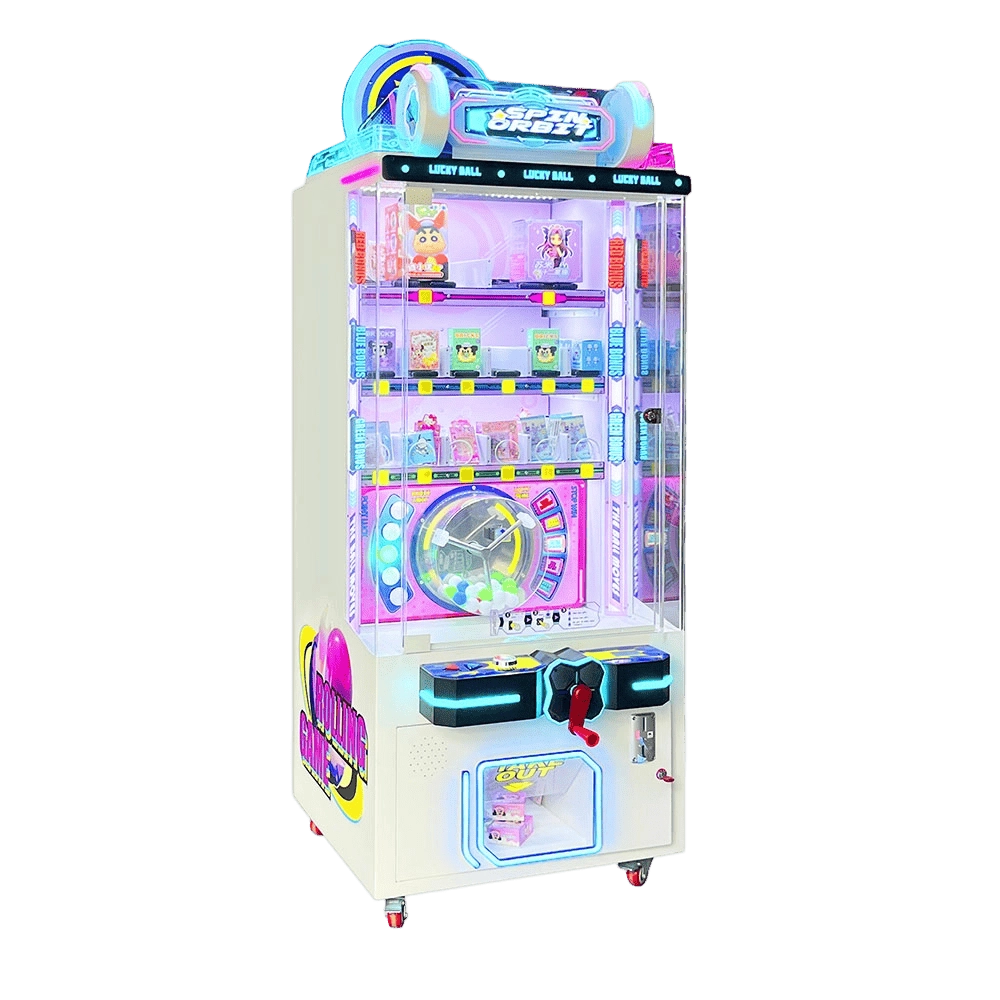
What is the gameplay of the SPIN ORBIT Lucky Prize Arcade Game?
Players use the joystick to guide the ball into a designated hole. Each color ball corresponds to different prize values: red for the highest, blue and green for mid-range prizes, and white for no prize.
You May Also Like
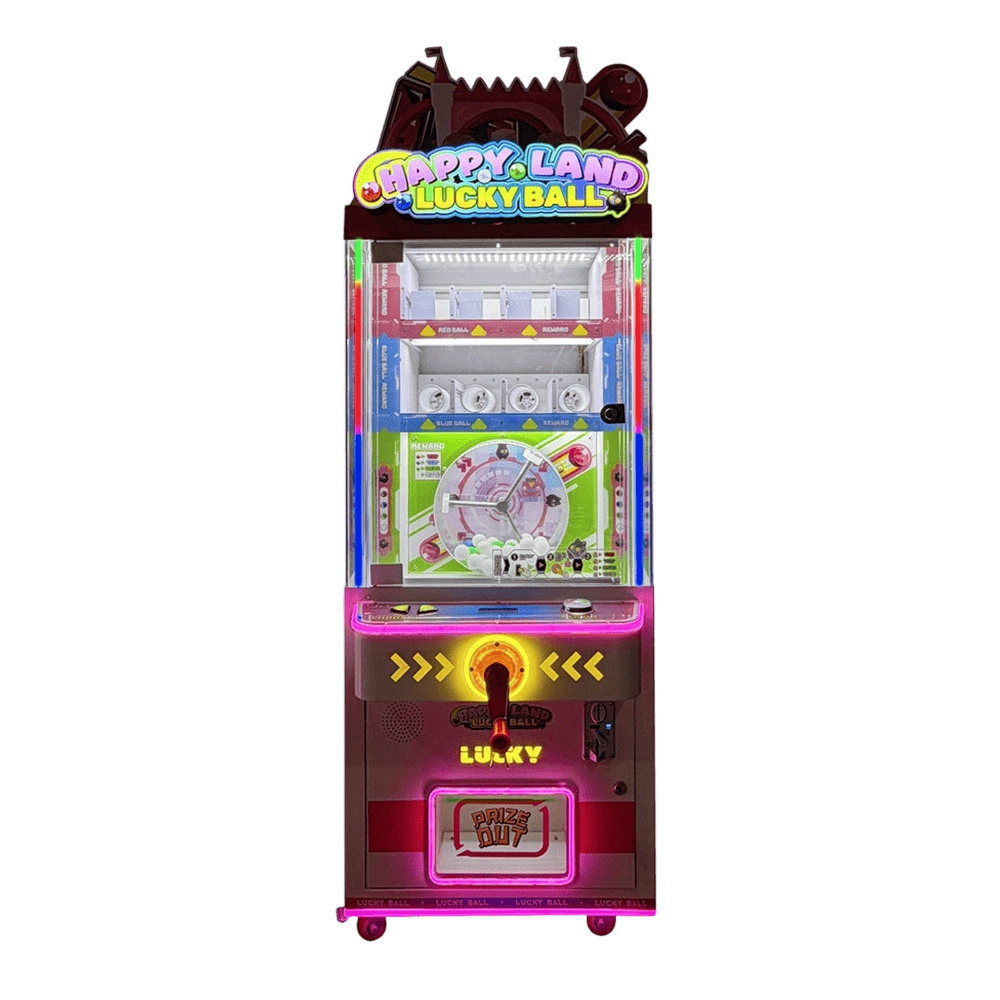
Coin Operated/Card Payment Lucky Ball Vending Toy Gift Arcade Game Machine
Coin Operated/Card Payment 2 Players SPIN ORBIT Lucky Prize Arcade Game
Coin Operated/Card Payment SPIN ORBIT Lucky Prize Arcade Game
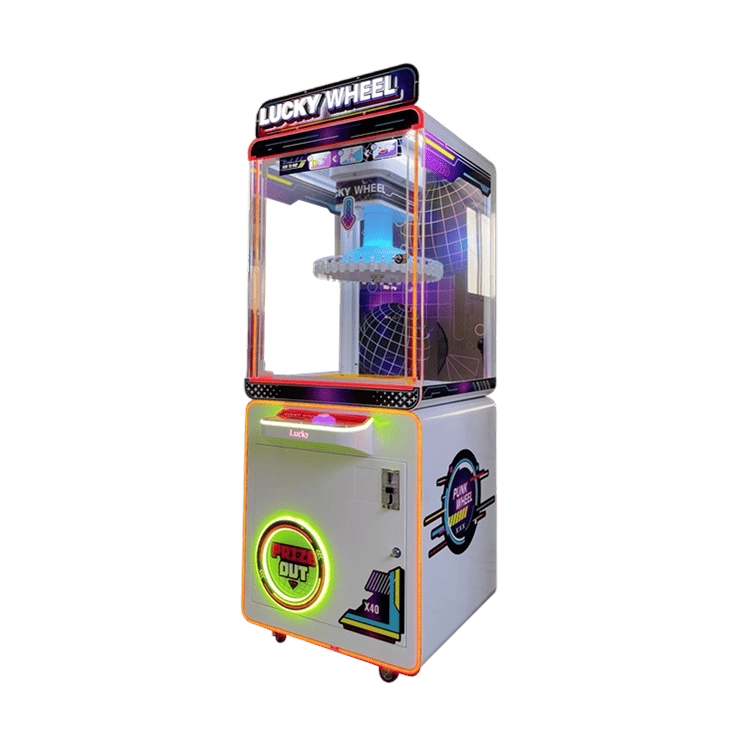
Arcade Prize Lucky Wheel Gift Machine For Amusement Areas
Get in Touch with Jiami Games
If you have any comments or good suggestions, please leave us a message; later our professional staff will contact you as soon as possible.

Innovative Entertainment, at Your Fingertips
Learn about Jiami Games and explore our expertise in console development, innovative design, and global markets.
Quick Links:
© 2026 Jiami Games.
Whatsapp: +8618520390438