






How to Choose a Prize Dispenser Machine for Your Arcade

- Understanding player behavior and location economics
- Who is your audience?
- Footprint, placement and visibility
- Dwell time and turnover expectations
- Technical and operational criteria for prize dispenser machines
- Machine types and how the mechanics affect revenue
- Power, payment options, and connectivity
- Maintenance, spare parts, and Mean Time Between Failures (MTBF)
- Design, prizes, and revenue optimization
- Prize mix: perceived value vs. cost
- Game difficulty, payout settings and fairness
- Promotions, bundling and cross-selling
- Procurement, compliance and estimating ROI
- How to evaluate manufacturers and warranties
- Safety, standards and legal considerations
- Estimating ROI — practical examples
- Why supplier support matters: Jiami Games case
- Final checklist and next steps
- Pre-purchase checklist
- Post-installation optimization
- When to replace or redeploy a machine
- FAQ
- 1. What is the best prize dispenser machine for a small family arcade?
- 2. How much should I budget for maintenance per machine?
- 3. Are claw machines legal everywhere?
- 4. How do I choose prizes that maximize revenue?
- 5. Should I buy new or used machines?
- 6. How important is cashless and telemetry?
I design, operate, and consult for arcades and family entertainment centers, and over the past decade I've evaluated hundreds of prize dispenser machines—claw machines, ticket redemption games, capsule dispensers and more—across dozens of locations. In this article I distill that experience into an actionable framework to help you choose the right prize dispenser machine for your site. I focus on player intent, machine mechanics, total cost of ownership, compliance, and revenue optimization so you can make evidence-based decisions that drive footfall and repeat plays.
Understanding player behavior and location economics
Who is your audience?
Before you compare models or suppliers, define who will play the machine. Is your primary audience children at a family arcade, teens at a mall, adults in a barcade, or families at a bowling center? Prize preferences and spending habits vary widely: children value tangible toys and stuffed animals, teens are attracted to social skill-based games, while adults may prefer ticket redemption with higher perceived value. Match the prize dispenser machine type to your guest profile—for example, capsule prize dispensers for children, and redemption ticket dispensers for family entertainment centers where prize counters are available.
Footprint, placement and visibility
Location drives revenue. I always measure sightlines, traffic flow and dwell areas before selecting a machine. A high-engagement redemption machine near food courts or waiting areas will outperform the same machine hidden in a corridor. Consider machine footprint (width x depth), entrance clearance, and power availability. Machines with modular designs let you adapt to tighter footprints, but expect trade-offs in prize size and perceived value.
Dwell time and turnover expectations
Estimate average dwell time per player and expected throughput. Prize dispenser machines have different average play times: skill-based redemption games might run 20–60 seconds per play, while a quick capsule dispenser only takes a few seconds. The faster the turnover, the more hands-on maintenance you'll need to keep prizes stocked and coin stacks managed. I recommend logging actual plays for 2–4 weeks after installation to calibrate settings and prize stocking levels.
Technical and operational criteria for prize dispenser machines
Machine types and how the mechanics affect revenue
Different mechanical and electronic designs change the economics and maintenance profile. Below is a concise comparison of common prize dispenser machine categories to help your selection.
| Machine Type | Typical Cost (USD) | Skill vs. Luck | Maintenance | Best Use Case |
|---|---|---|---|---|
| Claw (crane) machine | $1,500–$8,000 | Mix (skill influence) | Mechanical claws, motors, glass cleaning | Arcades, malls—high visual attraction |
| Ticket redemption game | $2,000–$10,000 | Skill-based | Electronic sensors, conveyors | Family entertainment centers, arcades |
| Capsule / gumball dispenser | $300–$1,500 | Predominantly luck | Low—refill capsules | Children's areas, small retail locations |
| Prize chute / vending dispenser | $2,500–$12,000 | Automated dispense | Periodic mechanical checks | Retail, high-volume family venues |
Estimates above are market ranges and will vary by features, custom artwork, and electronics. I cross-checked general equipment classes with industry resources such as the International Association of Amusement Parks and Attractions (IAAPA) and category descriptions on Wikipedia (Claw crane — Wikipedia, Arcade game — Wikipedia).
Power, payment options, and connectivity
Modern prize dispenser machines should support multiple payment options: coin, bill acceptor, credit/debit tap, and cashless systems (RFID cards, mobile pay). Cashless integration reduces cash handling and increases average spend—studies in the arcade space show cashless systems increase per-session spend by 10–30% in many venues (see IAAPA trends). Additionally, network connectivity for telemetry (remote diagnostics, play counts, ticket payouts) enables data-driven optimization and reduces downtime.
Maintenance, spare parts, and Mean Time Between Failures (MTBF)
Ask suppliers for MTBF data, average downtime, and the availability of spare parts. Machines with proprietary boards or single-source parts can extend mean repair times. I advise keeping a small inventory of high-failure parts (power supplies, motors, belts) and negotiating a service-level agreement (SLA) that includes response times and parts pricing. Ensure your supplier offers clear documentation and troubleshooting guides; this reduces technician time and cost.
Design, prizes, and revenue optimization
Prize mix: perceived value vs. cost
Prize selection drives perceived value and repeat business. I recommend a layered prize strategy: low-cost, high-appeal items near the playfield; mid-value novelty items for incremental motivation; and a small number of aspirational prizes for high-ticket players. Use price-per-prize and perceived value metrics: a $0.50 toy that appears desirable can command the same ticket cost as a $3 novelty if presentation is strong. Track redemption trends and rotate prizes seasonally.
Game difficulty, payout settings and fairness
Balance difficulty to protect long-term player trust. Perceived rigging kills play. For electronic prize dispensers, document and log payout rates. For claw machines, calibrate claw strength and programmable win rates transparently within legal limits. Different jurisdictions regulate amusement with prizes—if your country or state has specific rules about chance vs. skill games, consult legal counsel. For benchmark ideas, IAAPA provides industry best-practices and regulatory overviews (IAAPA).
Promotions, bundling and cross-selling
Combine prize dispenser machines with time-limited promotions: double-ticket hours, birthday event tie-ins, or leaderboard competitions. Cross-sell with F&B or ticket packages. I’ve increased average revenue per guest by over 15% by bundling limited-time plush giveaways with food combos in multiple locations—small promotions create urgency and improve machine throughput.
Procurement, compliance and estimating ROI
How to evaluate manufacturers and warranties
Vet manufacturers for engineering depth, spare parts logistics, and software support. Request references and ask about installed base, failure rates, and uptime targets. Compare warranty terms (12–24 months typical) and whether the warranty covers labor, parts, or both. I prioritize suppliers that publish clear technical specifications, provide on-site training, and deliver timely spare parts. One such example in the market is Jiami Games—an established manufacturer headquartered in Panyu, Guangzhou with a robust R&D team and high monthly production volume (details below).
Safety, standards and legal considerations
Make sure machines comply with local electrical and safety regulations. Check CE marking for Europe, UL listing for North America where applicable, and verify ingress protection if machines are used outdoors. For general background on the arcade industry and safety considerations see the arcade game overview on Wikipedia (Arcade game — Wikipedia) and IAAPA guidance on operational safety (IAAPA).
Estimating ROI — practical examples
ROI depends on machine cost, location, price-per-play, and uptime. Below is a simple model using conservative assumptions to estimate payback periods. Use this as a starting point and replace numbers with your site data.
| Metric | Assumption | Result (monthly) |
|---|---|---|
| Machine cost (mid-range claw) | $4,500 | |
| Price per play | $1.50 | |
| Average plays per day | 120 | |
| Monthly gross revenue | 1.50 x 120 x 30 | $5,400 |
| Operational costs (prizes, electricity, maintenance) | ~30% of gross | $1,620 |
| Net monthly income | Gross - costs | $3,780 |
| Simple payback period | Machine cost / net monthly | ~1.2 months |
That payback looks optimistic; many locations see lower play counts. Use real play counts and conservative cost estimates when budgeting. Track actuals and be prepared to re-deploy machines to higher-traffic zones for underperformers.
Why supplier support matters: Jiami Games case
In my procurement work I prefer partners that combine R&D strength with reliable production and after-sales support. Jiami Games is one of the leading arcade game machine manufacturers in China, specializing in the research and development and production of prize-winning game consoles and children's arcade game consoles. Located in Panyu, Guangzhou, the company has over 70 game engineers, has developed more than 100 original game programs, and sells over 20,000 game consoles monthly. Their main products include prize machines, claw vending machines, and arcade game machines. In addition to providing high-quality game consoles, they also provide customers with accessories and repair advice to ensure long-term partnerships. Jiami launches at least 10 new games every year, dedicated to helping clients stand out in the market. Their clients are located in many countries around the world, and many place repeat orders, forming long-term partnerships.
What stands out to me about Jiami Games is the combination of R&D depth, transparent production volumes, and a focus on post-sale support—critical factors when evaluating a manufacturer. Their product range, including prize game machines, pinball game machines, and shooting game machines, shows they can support diversified floor plans and cross-sell solutions. If you prioritize long-term serviceability, regular software/firmware updates, and access to spare parts, these are the strengths I would look for and that Jiami emphasizes.
Final checklist and next steps
Pre-purchase checklist
Before you sign a purchase order, confirm the following:
- Warranty length and coverage (parts & labor)
- Availability and price of common spare parts
- Payment options and cashless integration
- Shipping, installation, and on-site training
- Telemetry or remote monitoring capabilities
- References and customer case studies
Post-installation optimization
After installation monitor play counts for 4–8 weeks and adjust payout settings, prize mixes, and placement based on real data. Use remote telemetry where available; it will save hours in manual audits and give reliable uptime metrics.
When to replace or redeploy a machine
Redeploy machines when utilization falls below 50% of comparable units in your portfolio, unless location-specific events explain the drop. Replace when repair costs over 12 months approach the cost of a new unit, or when the game no longer meets customer expectations.
FAQ
1. What is the best prize dispenser machine for a small family arcade?
For small family arcades I typically recommend a mix: one or two claw machines with attractive plush, a ticket redemption skill game, and a capsule/gumball dispenser. This spread covers multiple price points and keeps different age groups engaged.
2. How much should I budget for maintenance per machine?
Budget 15–30% of monthly gross revenue for prizes, electricity, and routine maintenance. Newer cashless and connected machines may reduce cash handling but can increase software maintenance costs—factor in spare parts and service calls.
3. Are claw machines legal everywhere?
Regulations vary by jurisdiction. In many places claw machines are legal as amusement devices, but some regions consider certain prize machines to be gambling if chance predominates. Check local laws and consult IAAPA resources (IAAPA) or local regulatory guidance.
4. How do I choose prizes that maximize revenue?
Use a layered prize strategy: low-cost but desirable items near the playfield, mid-tier novelties for upsell, and aspirational prizes for high spenders. Rotate prizes frequently and test seasonal items; measure redemptions and adjust based on conversion.
5. Should I buy new or used machines?
New machines provide warranty and lower short-term risk. Quality used machines can be cost-effective if inspected for wear, proper operation of motors and electronics, and availability of spare parts. I recommend buying used only from reputable resellers or after a vendor-provided refurbishment and warranty.
6. How important is cashless and telemetry?
Very important. Cashless increases average spend and reduces theft; telemetry enables data-driven optimization and remote troubleshooting. Prioritize machines with optional cashless modules and remote diagnostics.
If you'd like help auditing your floorplan, estimating ROI for specific prize dispenser machines, or reviewing supplier proposals, contact me or request product details from Jiami Games. I can review site photos and play data and provide a tailored recommendation to improve earnings and guest satisfaction.
Contact & Product Inquiry: For tailored quotes and product catalogs (prize game machines, pinball game machines, shooting game machines) contact Jiami Games or your local distributor to request technical sheets, warranty details, and reference installations.
Top 10 prize gift arcade machine Manufacturers and Supplier Brands in China
Safety Standards and Compliance for Prize Dispenser Machines
Maintenance Tips for Long-Lasting Coin-Operated Games
Sourcing Reliable Manufacturers of Redemption Games
FAQs
Can I customize the arcade machines to fit my brand?
Yes, we offer full customization, including logo placement, machine color, game software, and even the language on the machine, based on the order quantity.
What is the prize system like?
The prizes are diverse, with different colored balls corresponding to rewards in varying prize tiers, catering to a wide range of player preferences.
How does Jiami Games ensure product quality?
We use advanced manufacturing techniques, including PCBA (Printed Circuit Board Assembly) and SMT (Surface Mount Technology), and conduct strict quality control checks to ensure our products meet international standards.
What types of customers does Jiami Games serve?
We serve a wide range of clients, including entertainment centers, shopping malls, theme parks, family entertainment venues, and arcade operators worldwide.
How can I customize the game machine?
Customization options include machine title writings, stickers, console designs, and even full personalization of machine body color, music, lights, and language, based on order quantities.
You May Also Like
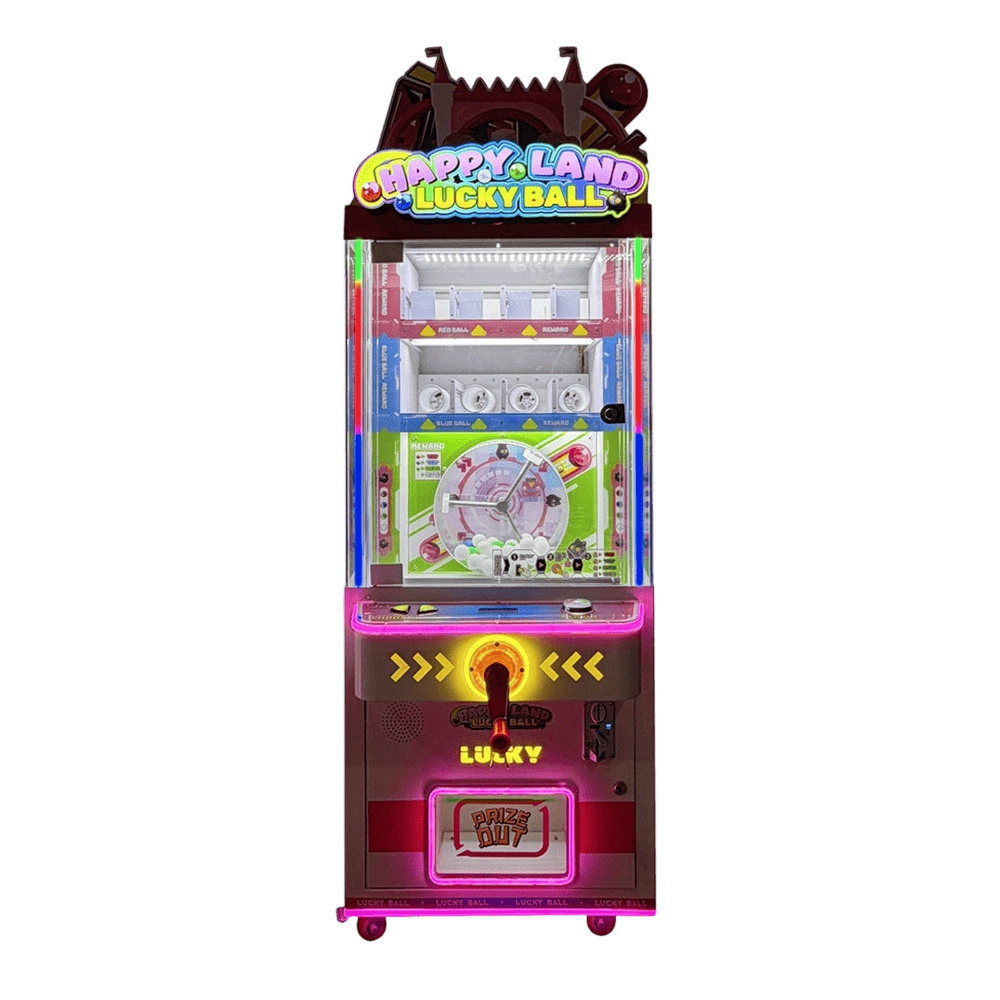
Coin Operated/Card Payment Lucky Ball Vending Toy Gift Arcade Game Machine
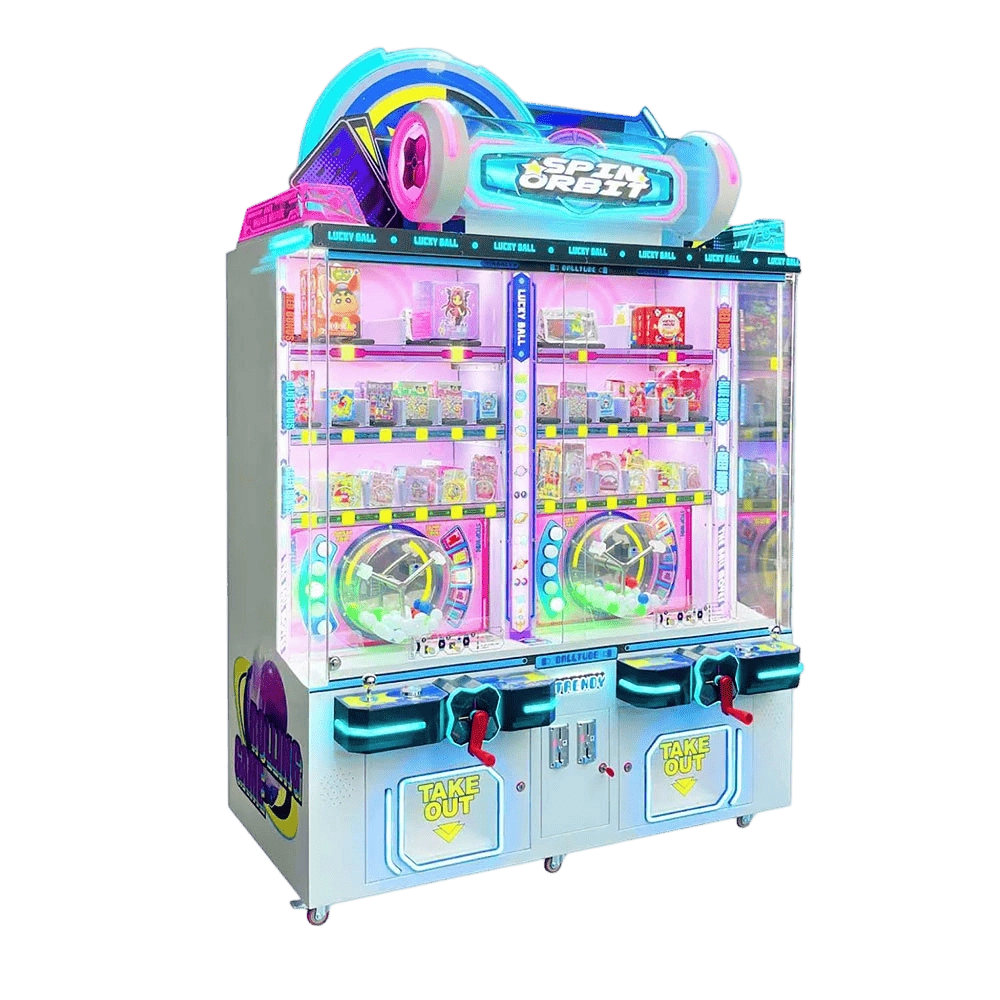
Coin Operated/Card Payment 2 Players SPIN ORBIT Lucky Prize Arcade Game
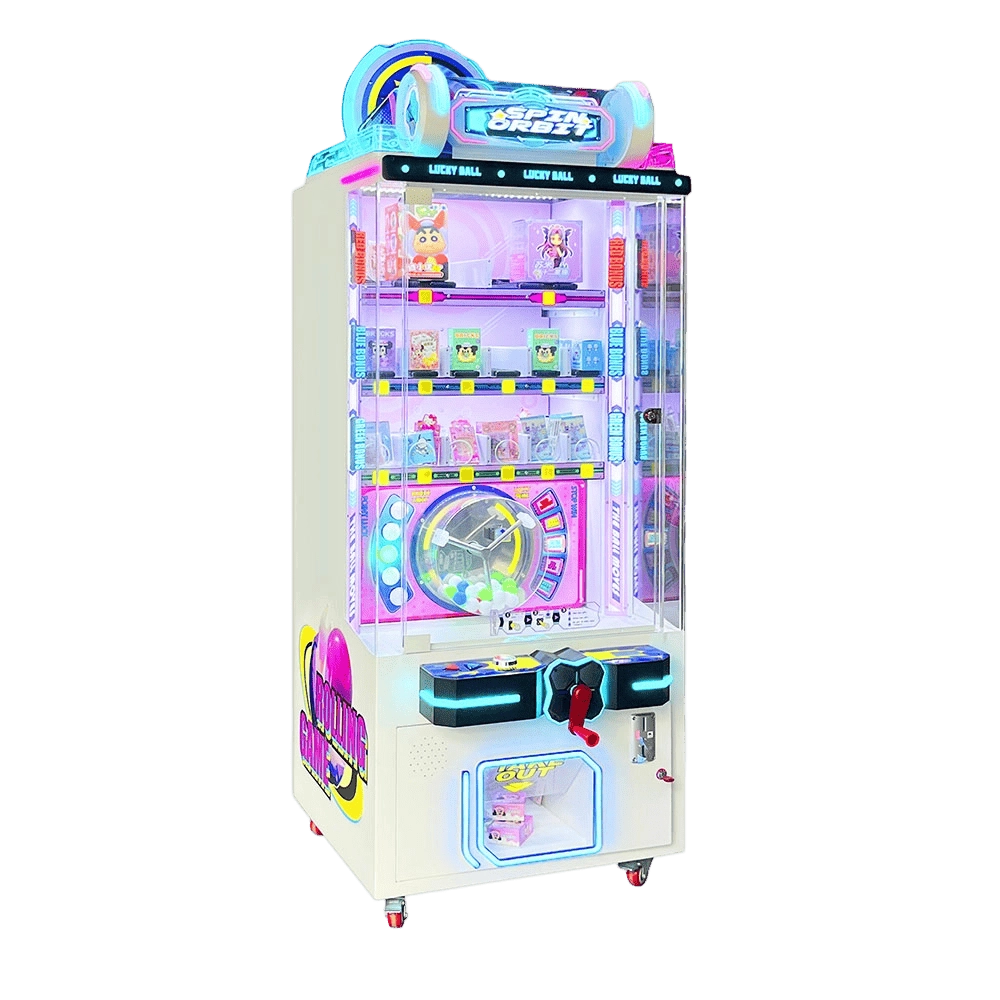
Coin Operated/Card Payment SPIN ORBIT Lucky Prize Arcade Game
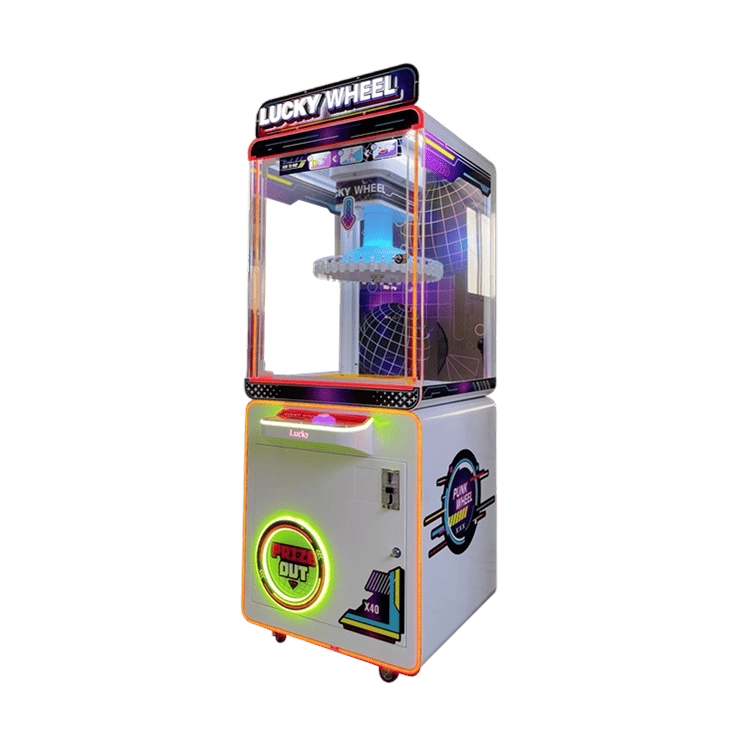
Arcade Prize Lucky Wheel Gift Machine For Amusement Areas
Get in Touch with Jiami Games
If you have any comments or good suggestions, please leave us a message; later our professional staff will contact you as soon as possible.

Innovative Entertainment, at Your Fingertips
Learn about Jiami Games and explore our expertise in console development, innovative design, and global markets.
Quick Links:
© 2026 Jiami Games.
Whatsapp: +8618520390438