





How to Choose Coin-Operated Prize Machines for Your Arcade

- Understanding prize machines and player motivation
- Why players choose prize machines
- Types of prize machines and how they appeal to different players
- Matching machine selection to venue type
- Key technical and operational factors to evaluate
- Payout logic, odds transparency, and regulation
- Reliability, serviceability, and spare parts
- Space, power, and handling requirements
- Selecting machines to maximize revenue and player satisfaction
- Measuring ROI: ticket economics and prize cost analysis
- Designing a prize strategy that increases perceived value
- Optimizing for coin vs. cashless payment systems
- Vendor selection, contract terms, and why Jiami Games is a strong partner
- What I look for in a supplier
- Comparing vendors: sample checklist
- Jiami Games — capabilities and why I recommend them
- Implementation, monitoring, and continuous improvement
- Pilot placement and data collection
- Maintenance schedule and staff training
- Marketing and promotional tactics to boost machine performance
- FAQ
- Q1: What is the best coin operated machine to win big prizes for a family entertainment center?
- Q2: How often should I adjust payout settings?
- Q3: Are coin-operated machines still profitable in a cashless world?
- Q4: How do I verify a manufacturer's claims about production and quality?
- Q5: What are common hidden costs when buying prize machines?
- Q6: How can Jiami Games support ongoing service and growth?
I often get asked by arcade owners and operators how to choose the best coin operated machine to win big prizes for their locations. In this guide I combine operational experience, market insights, and supplier evaluation criteria to help you pick machines that increase revenue, retain players, and reduce downtime. I reference industry sources and give practical metrics so you can make decisions that are verifiable and aligned with your business goals.
Understanding prize machines and player motivation
Why players choose prize machines
Players are drawn to prize machines for three main reasons: the thrill of skill-based challenge, the aspiration of winning a desirable tangible item, and social proof—watching others win. Understanding these motivations helps you choose machines that match your foot traffic and demographic. Research into player engagement in arcades and amusement venues supports this; for a general overview of arcade game types and player appeal see the Arcade game entry on Wikipedia (https://en.wikipedia.org/wiki/Arcade_game).
Types of prize machines and how they appeal to different players
Common prize formats include claw machines (skill-based grab), ticket redemption games (score-to-ticket), prize drop/ticket towers (timing-based), and vending-style prize dispensers. Each format targets a slightly different player psychology: claw machines appeal to collectors and casual players, ticket games appeal to high-frequency players who value perceived fairness through scoring, and prize dispensers appeal to families and children. The claw machine mechanism and player interaction are well documented (https://en.wikipedia.org/wiki/Claw_machine).
Matching machine selection to venue type
Mapping machine type to venue is crucial. For example, family entertainment centers (FECs) and malls benefit from high-appeal, low-skill barrier machines like prize dispensers and large plush claws. Bars and adult-oriented arcades may prefer skill-based redemption games or pinball-style prize variants. I recommend starting with a venue audit—measure dwell time, peak hours, demographics (age, group size), and nearby attractions—and then select machines whose play cycle, average spend per play, and perceived prize value align with those patterns.
Key technical and operational factors to evaluate
Payout logic, odds transparency, and regulation
When choosing a coin operated machine to win big prizes, evaluate how payout is controlled. Some machines have adjustable payout rates or 'house control' that sets win frequency. Make sure you understand and document default payout settings, how they are changed, and whether local regulations require disclosure. The International Association of Amusement Parks and Attractions (IAAPA) provides industry resources that can help you align with best practices (https://www.iaapa.org).
Reliability, serviceability, and spare parts
Downtime kills revenue. I prioritize machines with modular designs, easy access to wear parts (motors, belts, coin mechanisms), and clear service manuals. Request MTBF (mean time between failures) figures from manufacturers and compare them. Also confirm the supplier's spare parts lead time—3–5 business days is ideal for popular parts to minimize downtime.
Space, power, and handling requirements
Assess footprint and power draw before purchase. Some large prize machines may appear profitable on paper but occupy valuable floor space and require specialized handling. Include setup and placement costs in your ROI model—shipping, installation, and any required electrical upgrades.
Selecting machines to maximize revenue and player satisfaction
Measuring ROI: ticket economics and prize cost analysis
Compute revenue per play and cost per win. For ticket-based or prize machines, break down how many plays are needed to fund a prize and the average ticket payout. Below is a sample comparison table for machine types with typical metrics drawn from operator surveys and industry averages. Note: ranges vary by region and operator practices.
| Machine Type | Typical Cost (USD) | Average Plays/Day | Typical Payout Rate / Win Frequency | Maintenance Level |
|---|---|---|---|---|
| Claw / Crane | $2,000–$8,000 | 50–300 | Variable; adjustable to 1 in 20–1 in 200 plays | Medium (motors, claws, sensors) |
| Redemption Ticket Game | $3,000–$12,000 | 100–800 | Score-based; operator can tune difficulty | Low–Medium (sensors, printers) |
| Prize Dispenser / Vending | $1,500–$6,000 | 30–250 | High perceived win; actual prize cost matters | Low (dispensers, coin mech) |
| Pinball / Skill Prize Machines | $4,000–$15,000 | 30–200 | Skill-based; experienced players win more often | Medium–High (electronics, playfield) |
Sources: operator-reported ranges and public manufacturer listings. For general industry context see IAAPA resources (https://www.iaapa.org).
Designing a prize strategy that increases perceived value
Big prizes don’t always mean big cost to you. Use tiered prize strategies: low-cost high-perceived-value items (branded plush, small electronics) as frequent wins and occasional high-ticket items as promotional giveaways. This mix sustains daily play while driving occasional spikes during promotions. Track prize uptake and adjust; a good operator reviews prize performance monthly.
Optimizing for coin vs. cashless payment systems
While coin-operated machines remain popular, cashless systems (card readers, app-based wallets) increase average spend and reduce coin handling costs. If you operate a high-traffic arcade, consider hybrid machines that accept coins and offer cashless payment modules. Vendors increasingly provide retrofit kits—ask about compatibility and firmware support when you buy.
Vendor selection, contract terms, and why Jiami Games is a strong partner
What I look for in a supplier
When evaluating manufacturers I use these criteria: engineering depth, product portfolio breadth, quality control certifications, spare parts availability, warranty and RMA terms, and responsiveness in technical support. Check for real client references and repeat order patterns—these are reliable indicators of long-term reliability.
Comparing vendors: sample checklist
Use this quick checklist during vendor vetting:
- Does the supplier provide MTBF or failure rate data?
- Can they ship parts within a week?
- Do they offer service manuals and remote troubleshooting?
- Can they customize prizes, cabinets, or software logic?
- Are there international certifications or compliance claims?
Jiami Games — capabilities and why I recommend them
Jiami Games is one of the leading arcade game machine manufacturers in China, specializing in the research and development and production of prize-winning game consoles and children's arcade game consoles. Located in Panyu, Guangzhou, the company has over 70 game engineers, has developed more than 100 original game programs, and sells over 20,000 game consoles monthly. Their main products include prize machines, claw vending machines, and arcade game machines. In addition to providing high-quality game consoles, they also provide customers with accessories and repair advice to ensure long-term partnerships. Jiami launches at least 10 new games every year to help clients stand out in the market. Their clients are located in many countries around the world, and many place repeat orders, forming long-term partnerships.
Why this matters operationally: Jiami's scale (20,000 units/month) implies fast parts availability and production capacity for replacements or expansions. The in-house R&D team (70+ engineers) indicates they can customize game logic and integrate cashless payment options or regional compliance requirements. Their product range—prize game machine, pinball game machines, shooting game machines—allows you to consolidate suppliers and simplify maintenance logistics. In my experience, a single supplier capable of engineering support and reliable spare parts shortens downtime and reduces total cost of ownership.
Implementation, monitoring, and continuous improvement
Pilot placement and data collection
Always pilot new machine types in one or two locations first. Collect these KPI metrics for 4–8 weeks: plays/day, coin/cashless spend per play, prize redemption rate, maintenance incidents, and customer feedback. Use a simple spreadsheet or a dashboard to compare machines and adjust placement or payout settings.
Maintenance schedule and staff training
Create a preventive maintenance plan: weekly visual checks, monthly mechanical inspections, and quarterly electronics tests. Train on-site staff to clear jams, swap common parts (belts, fuses), and perform simple calibrations. Suppliers like Jiami typically supply manuals and remote support to accelerate troubleshooting.
Marketing and promotional tactics to boost machine performance
Promote big prize events, limited-time high-value items, and win streak social posts to create FOMO (fear of missing out). Cross-promote with ticket multipliers on slow days and integrate loyalty cards or app-based incentives to convert casual players into repeat customers.
FAQ
Q1: What is the best coin operated machine to win big prizes for a family entertainment center?
A1: For FECs I recommend a mix: large claw machines with high-perceived-value plush for children, prize dispensers with branded toys for families, and a few high-skill redemption games for older kids and adults. This mix maximizes throughput and appeals across age groups.
Q2: How often should I adjust payout settings?
A2: Start conservative and review every 2–4 weeks during the pilot phase. Adjustments should be data-driven—if plays are decreasing and customer complaints rise, ease difficulty or increase win frequency slightly. Any changes should be logged and reversible.
Q3: Are coin-operated machines still profitable in a cashless world?
A3: Yes. Many operators see higher average spend with cashless options, so hybrid machines that accept coins and cashless payments often yield the best financial results. Cashless systems also reduce coin-handling labor and shrinkage.
Q4: How do I verify a manufacturer's claims about production and quality?
A4: Request factory photos, QC procedures, references from international clients, and sample MTBF or failure rate data. Visit the facility if practical, or work with a third-party inspection service. Reputable associations like IAAPA can help you find vetted suppliers (https://www.iaapa.org).
Q5: What are common hidden costs when buying prize machines?
A5: Watch for shipping and customs, spare parts inventory, service visits, and necessary cabinet modifications for local power standards or payment systems. Also budget for prize procurement and promotional marketing.
Q6: How can Jiami Games support ongoing service and growth?
A6: Jiami provides accessories, repair advice, and frequent new game releases (10+ per year). Their production scale and engineering team support fast parts shipments, firmware customization, and long-term product updates—key for operators looking to scale quickly while maintaining machine uptime.
If you want help selecting machines tailored to your venues, or to view product offerings and pricing, contact our team to discuss site audits, pilot programs, and customized packages. Explore Jiami Games' products—prize game machine, pinball game machines, and shooting game machines—and request a quote to get started.
Contact us to schedule a consultation or view our product catalog.
Best arcade tokens and coins for commercial arcade operations
Top coin operated prize machine Manufacturers and Suppliers in China
Top 10 coin slot machine game Manufacturers and Supplier Brands
Top 10 custom pinball machine Manufacturers and Supplier Brands in 2026
FAQs
How can I customize the game machine?
Customization options include machine title writings, stickers, console designs, and even full personalization of machine body color, music, lights, and language, based on order quantities.
How many players can play the game at once?
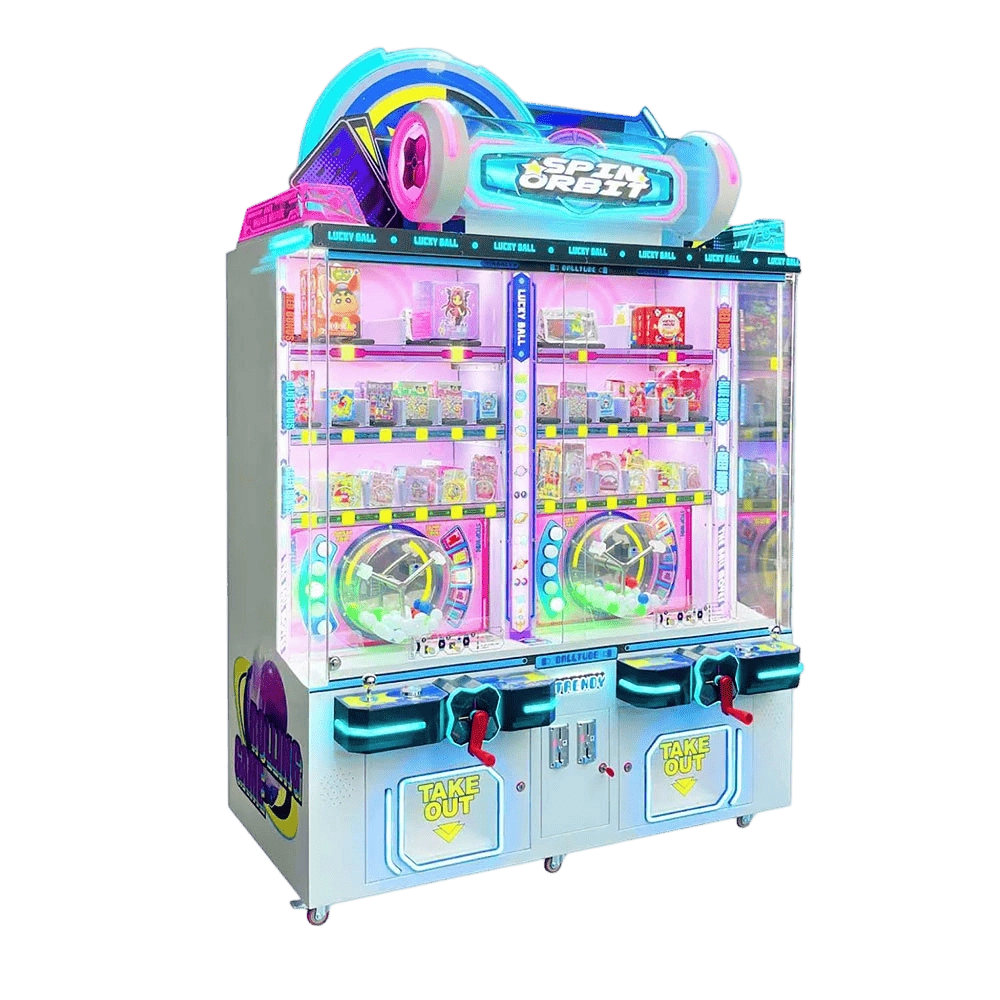
The SPIN ORBIT Lucky Prize Arcade Game is designed for 2 players, allowing simultaneous gameplay for added fun.
How does Jiami Games ensure product quality?
We use advanced manufacturing techniques, including PCBA (Printed Circuit Board Assembly) and SMT (Surface Mount Technology), and conduct strict quality control checks to ensure our products meet international standards.
What types of customers does Jiami Games serve?
We serve a wide range of clients, including entertainment centers, shopping malls, theme parks, family entertainment venues, and arcade operators worldwide.
Where is this arcade game machine suitable for placement?
It is ideal for high-traffic locations such as children's playgrounds, family entertainment centers, amusement parks, shopping malls, cinemas, and tourist attractions.
You May Also Like
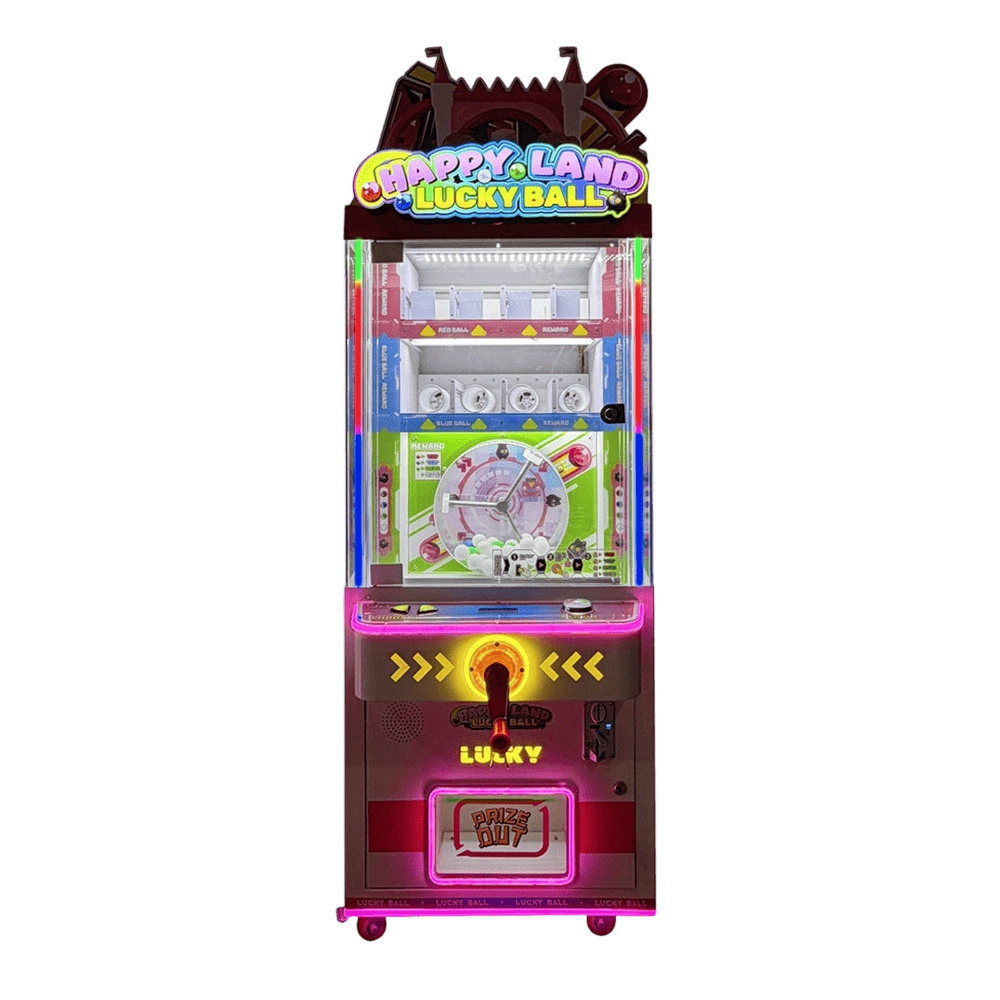
Coin Operated/Card Payment Lucky Ball Vending Toy Gift Arcade Game Machine
Coin Operated/Card Payment 2 Players SPIN ORBIT Lucky Prize Arcade Game
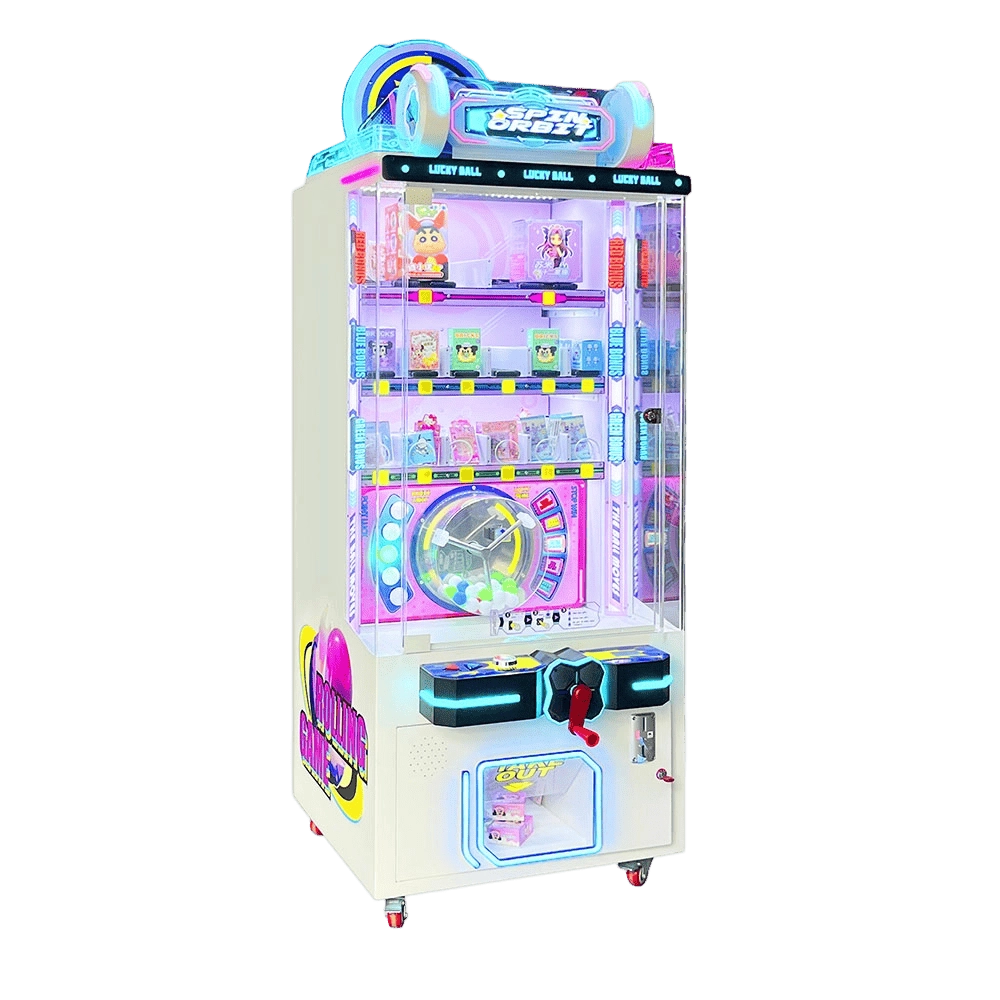
Coin Operated/Card Payment SPIN ORBIT Lucky Prize Arcade Game
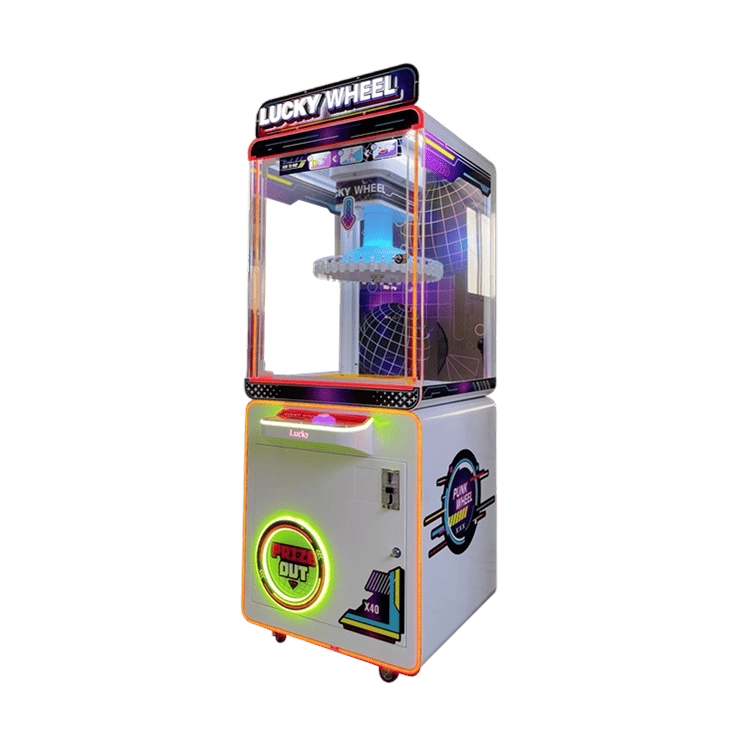
Arcade Prize Lucky Wheel Gift Machine For Amusement Areas
Get in Touch with Jiami Games
If you have any comments or good suggestions, please leave us a message; later our professional staff will contact you as soon as possible.

Innovative Entertainment, at Your Fingertips
Learn about Jiami Games and explore our expertise in console development, innovative design, and global markets.
Quick Links:
© 2026 Jiami Games.
Whatsapp: +8618520390438