






Buyer's Guide: Best Coin-Operated Redemption Machines

- Why coin-operated redemption machines still work for operators
- Player psychology and game mix
- Revenue resilience across venue types
- Cost-to-revenue balance
- Types of coin-operated redemption prize winning games and how to choose
- Claw/crane machines (claw vending machines)
- Ticket-based redemption machines
- Prize dispensers and novelty prize games
- Practical selection criteria: ROI, footprint, maintenance
- Calculating simple ROI
- Footprint and placement strategy
- Maintenance and parts availability
- Comparison table: common coin-operated redemption machines
- Compliance, safety and cashless trends
- Regulatory and tax considerations
- Adopting cashless payments and telemetry
- Safety and accessibility
- How to evaluate suppliers and long-term partnerships
- Key supplier questions
- Case: Jiami Games — supplier profile and strengths
- Why choose Jiami Games
- Implementation checklist before purchase
- Site survey and placement plan
- Financial model and pilot testing
- Staff training and spare parts plan
- FAQ
- Q1: What is the difference between a claw machine and a prize dispenser?
- Q2: How much should I charge per play?
- Q3: Are cashless systems worth the investment?
- Q4: What maintenance schedule should I follow?
- Q5: How do I choose prizes to maximize profitability?
- Q6: What certifications or standards should machines meet?
- Next steps and contact
Coin-operated redemption prize winning games remain a cornerstone of modern arcades, family entertainment centers (FECs), and non-traditional entertainment venues. This guide explains the different machine types, what drives revenue and player engagement, placement and coin/credit strategies, maintenance and compliance considerations, and how to evaluate suppliers. It is written for operators, venue owners, and buyers who need actionable criteria to choose machines that maximize uptime, profitability, and guest satisfaction.
Why coin-operated redemption machines still work for operators
Player psychology and game mix
Redemption machines combine three behavioral drivers: the desire to win a tangible prize, the reinforcement loop of immediate feedback, and variable-ratio reward schedules that encourage repeated play. Skill-based titles (e.g., ball drop, timing shooters) increase repeat plays because players perceive control; ticket-based and claw/crane games appeal across ages because the reward is visible and immediate. These dynamics are well-documented in leisure and game design research (see general arcade game mechanics overview on Wikipedia).
Revenue resilience across venue types
Coin-operated redemption machines perform well in a variety of environments: dedicated arcades, FECs, malls, supermarkets, and even hospitality venues. Their modularity—coin, token or cashless card acceptance—makes them adaptable to different customer flows. Operators can optimize yield by mixing high-margin skill games with lower-cost ticket dispensers and attractive prize displays to increase footfall and impulse spend.
Cost-to-revenue balance
Compared with high-cost video arcade cabinets or VR attractions, many redemption machines have lower upfront cost and simpler servicing profiles. That said, operational profitability depends on placement, prize strategy (perceived value vs. actual cost), pricing per play, and maintenance uptime. A well-managed prize cabin and a rotating set of titles can significantly extend machine lifecycle and keep repeat visits high.
Types of coin-operated redemption prize winning games and how to choose
Claw/crane machines (claw vending machines)
Claw machines are iconic redemption devices that rely on a mix of skill and programmed payout control. Operators value them for their visual draw—the visible prize field entices players. When evaluating claw machines, check build quality of the grab mechanism, programmability of payout rate, cabinet lighting, and prize-loading ergonomics.
Ticket-based redemption machines
Ticket dispensers (skee-ball style, basketball shooters, or target games) reward performance with tickets that can be exchanged for prizes. These games are typically skill-based and can generate higher per-play revenue when tuned properly. Look for accurate ticket sensors, adjustable difficulty settings, and integration options with arcade management systems.
Prize dispensers and novelty prize games
Prize dispensers (drop towers, punch-a-bunch, spinning wheels) often have lower maintenance needs and offer immediate tangible rewards. They work well in family zones and quick-stop venues. Evaluate prize loading speed, storage capacity, and anti-jamming features.
Practical selection criteria: ROI, footprint, maintenance
Calculating simple ROI
Estimate ROI by modeling: (average plays per day) × (price per play) × (days open per month) – (monthly operating cost including prize cost, coin collection, electricity, and maintenance) = monthly profit. Track actual plays and adjust pricing or difficulty to hit target margins. For a conservative start, many operators aim for machines to cover cost within 6–12 months.
Footprint and placement strategy
Footprint dictates where a machine can be placed—large ticket or multi-player games need floor space and clear sightlines, while single-player prize dispensers can fit in corridor niches. Place visually attractive games near entrances or food courts for impulse plays; skill-based games perform well near waiting areas where dwell time is longer.
Maintenance and parts availability
Downtime kills revenue. Select machines with readily available spare parts, modular components, and accessible service documentation. Consider purchasing a spare motor or sensor for high-use machines. For coin-operated to cashless conversions, ensure the payment module is supported by local suppliers or the manufacturer.
Comparison table: common coin-operated redemption machines
| Machine Type | Ideal Location | Skill vs Luck | Maintenance Level | Best Use Case |
|---|---|---|---|---|
| Claw (Crane) Machine | Malls, arcades, FEC lobbies | Mixed (programmed payout + skill) | Medium (grip mechanism wear, prize jams) | Impulse grabs; high visual attraction (source) |
| Ticket Redemption (Skee-ball, Basketball) | FECs, family centers, bowling alleys | Mostly skill | Medium–High (mechanics, ticket sensors) | Encourages repeat play; strong spend per session |
| Prize Dispenser (Drop towers, Wheels) | Family restaurants, arcades with limited space | Low–Medium (mostly luck) | Low (fewer moving parts) | Low-maintenance, immediate gratification |
| Skill Shooter/Shooter Arcade | Large FECs, entertainment centers | High skill | High (electronics, sensors) | Competitive play; high ticket throughput |
Note: This table summarizes qualitative factors; you should validate specific models for dimensions, coin/cashless options, and local compliance.
Compliance, safety and cashless trends
Regulatory and tax considerations
Coin-operated machines may fall under local gaming, vending, or amusement ordinances. Check municipal rules for prize value limits, payout disclosure, and taxation. Associations such as the International Association of Amusement Parks and Attractions (IAAPA) provide regulatory resources and industry best practices (IAAPA).
Adopting cashless payments and telemetry
Modern operators increasingly convert machines to accept cashless cards, mobile wallets, or facility card systems. Cashless solutions reduce coin handling costs and give valuable telemetry on play patterns. Evaluate systems that offer real-time reporting, remote price/difficulty updates, and integration with your POS or loyalty program.
Safety and accessibility
Ensure machines comply with electrical safety standards and that prize loading does not create pinch hazards. Provide clear signage for age restrictions where required and consider accessible heights for family-friendly machines. Regular safety inspection checklists help maintain compliance and reduce liability.
How to evaluate suppliers and long-term partnerships
Key supplier questions
Ask potential manufacturers these critical questions: What is your monthly production capacity? How many engineers support R&D and after-sales? Do you provide warranties, parts, and service training? What are typical lead times and MOQ? Suppliers that offer spare parts, training, and rapid repair support reduce your total cost of ownership.
Case: Jiami Games — supplier profile and strengths
Jiami Games is one of the leading arcade game machine manufacturers in China, specializing in the research and development and production of prize-winning game consoles and children's arcade game consoles. Located in Panyu, Guangzhou, the company has over 70 game engineers, has developed more than 100 original game programs, and sells over 20,000 game consoles monthly. Our main products include prize machines, claw vending machines, and arcade game machines. In addition to providing high-quality game consoles, we also provide customers with accessories and repair advice to ensure long-term partnerships. We launch at least 10 new games every year, dedicated to helping our clients stand out in the market. Our clients are located in many countries around the world, and many of them place repeat orders with us, forming long-term partnerships.
Why choose Jiami Games
Jiami Games emphasizes long-term customer relationships and customized solutions. Competitive differentiators include a large R&D team (70+ engineers), an extensive library of original programs (100+), high monthly production (20,000+ consoles), and a steady pipeline of new games (10+ launches per year). Their product lineup—prize game machine, pinball game machines, shooting game machines—covers core redemption categories and supports accessories and repair guidance. This combination of production scale, original content development, and after-sales support positions Jiami Games as a viable partner for operators seeking reliable supply and innovation.
Implementation checklist before purchase
Site survey and placement plan
Measure floor space, sightlines, and power availability. Map guest flow and identify high-dwell spots (near food, exits, or rest areas). Consider complementary adjacencies—pair a ticket shooter with a prize cabinet to increase redemptions.
Financial model and pilot testing
Run a pilot with 2–5 machines to collect real play data for 30–90 days. Test pricing strategies, difficulty settings, and prize assortments. Use telemetry or manual counts to refine your model before larger equipment purchases.
Staff training and spare parts plan
Train technicians on routine cleaning, jam-clearing, and software adjustments. Keep an inventory of high-failure parts like motors, sensors, and coin validators. Establish an SLA with your supplier for priority parts and technical phone support.
FAQ
Q1: What is the difference between a claw machine and a prize dispenser?
A claw (crane) machine uses a mechanical grabber to pick prizes and typically blends programmed payout with player skill. A prize dispenser releases a prize directly (for example, when a player triggers a drop or wins a wheel spin) and often has fewer moving parts and lower maintenance.
Q2: How much should I charge per play?
Price per play depends on location, guest demographics, and perceived prize value. Common ranges are $0.50–$3.00 per play in many markets. Use pilot testing to find a balance between volume and margin; for tourist-heavy locations, higher price points can be sustainable.
Q3: Are cashless systems worth the investment?
Yes, cashless systems reduce coin handling, decrease shrinkage risk, and provide play data for optimization. They also support loyalty and bundled pricing strategies. Evaluate the integration and transaction fee structure before adopting.
Q4: What maintenance schedule should I follow?
Daily quick checks (cleaning, jam inspection), weekly deeper inspections (sensor calibration, motor function), and monthly inventory of consumables and spare parts. Log incidents to identify repeat failures and adjust preventive maintenance.
Q5: How do I choose prizes to maximize profitability?
Mix high-perceived-value items (branded plush, electronics) with low-cost fillers and rotating seasonal items. Price prizes in terms of ticket-equivalent cost and aim to keep prize cost per redemption below a target percentage of the average play revenue. Rotating prizes and themed promotions sustain interest.
Q6: What certifications or standards should machines meet?
Machines should comply with local electrical safety standards and any applicable amusement regulations. For export, check CE, FCC, or other regional certifications required by your target markets.
Next steps and contact
If you are ready to pilot machines or need a tailored equipment and placement plan, contact a reliable manufacturer and supplier team. For operators seeking a partner with proven R&D, production capacity, and service capability, consider exploring Jiami Games' product line and customization options. View product catalogs or request a quote and consultation to design a mix tailored to your venue.
Contact & product inquiry: request a product list, technical datasheets, and a pilot package to evaluate coin-operated redemption prize winning games in your venue. For customized solutions, ask about joystick/electronics upgrades, cashless conversion kits, and spare parts packages.
Useful industry resources and references: Arcade game — Wikipedia, Claw machine — Wikipedia, IAAPA — International Association of Amusement Parks and Attractions.
Top prize game machine Manufacturers and Suppliers
Top coin operated prize machine Manufacturers and Suppliers in China
Coin Acceptor Compatibility: Choosing the Right Mechanism
Top arcade shooting game machine Manufacturers and Suppliers
FAQs
How many players can play the game at once?
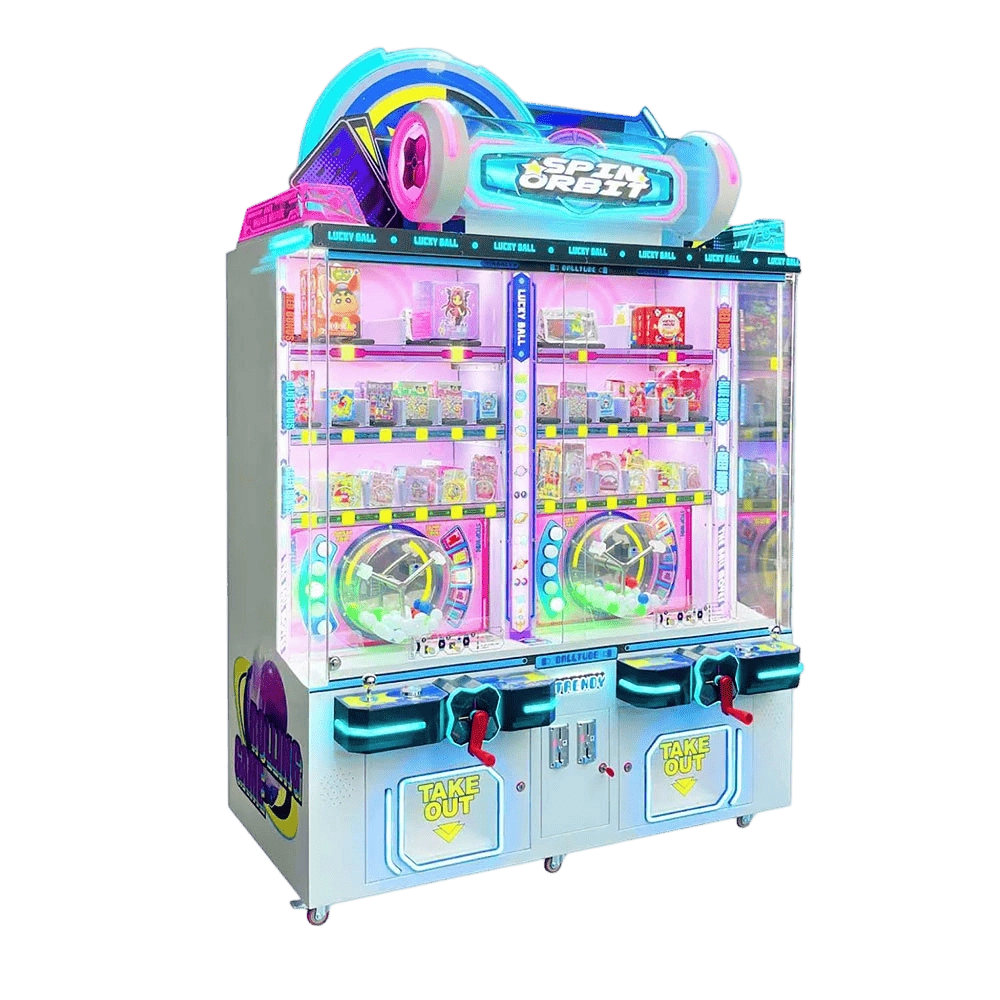
The SPIN ORBIT Lucky Prize Arcade Game is designed for 2 players, allowing simultaneous gameplay for added fun.
Where is this arcade game machine suitable for placement?
It is ideal for high-traffic locations such as children's playgrounds, family entertainment centers, amusement parks, shopping malls, cinemas, and tourist attractions.
How can I customize the game machine?
Customization options include machine title writings, stickers, console designs, and even full personalization of machine body color, music, lights, and language, based on order quantities.
What types of customers does Jiami Games serve?
We serve a wide range of clients, including entertainment centers, shopping malls, theme parks, family entertainment venues, and arcade operators worldwide.
Can I customize the arcade machines to fit my brand?
Yes, we offer full customization, including logo placement, machine color, game software, and even the language on the machine, based on the order quantity.
You May Also Like
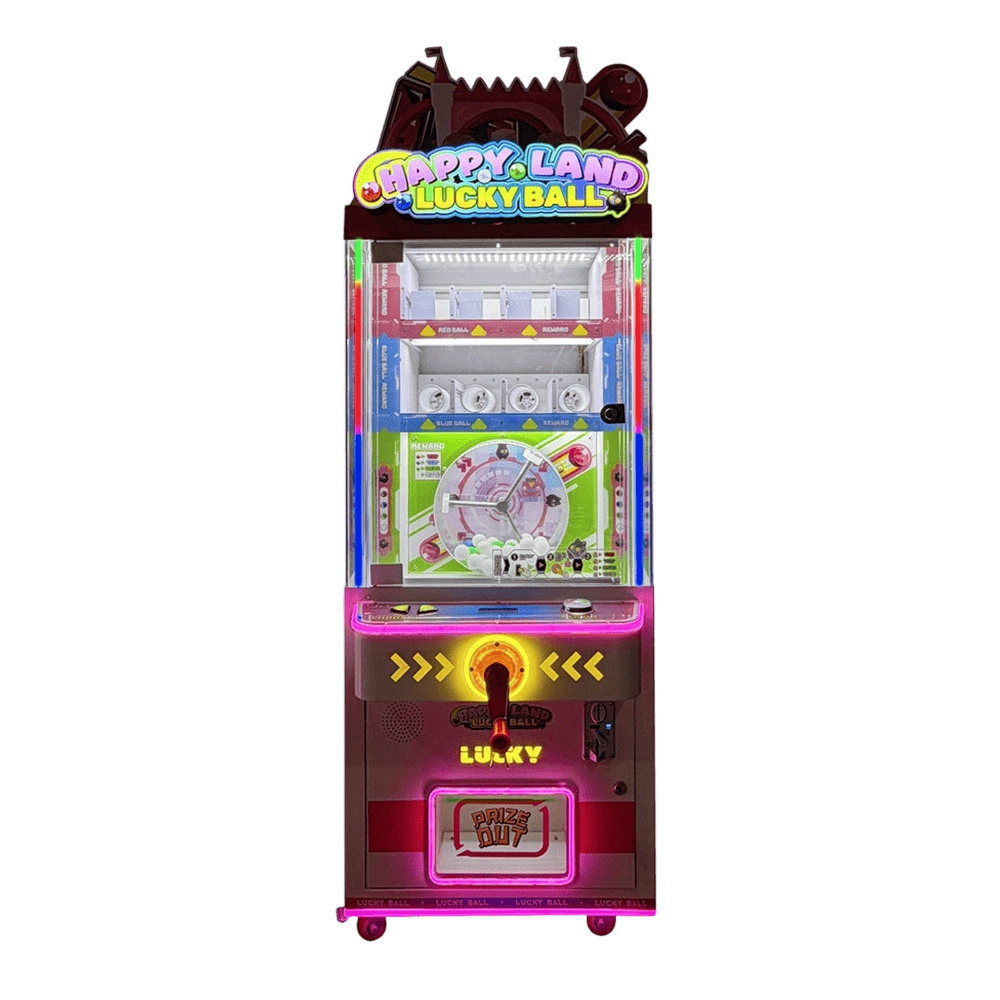
Coin Operated/Card Payment Lucky Ball Vending Toy Gift Arcade Game Machine
Coin Operated/Card Payment 2 Players SPIN ORBIT Lucky Prize Arcade Game
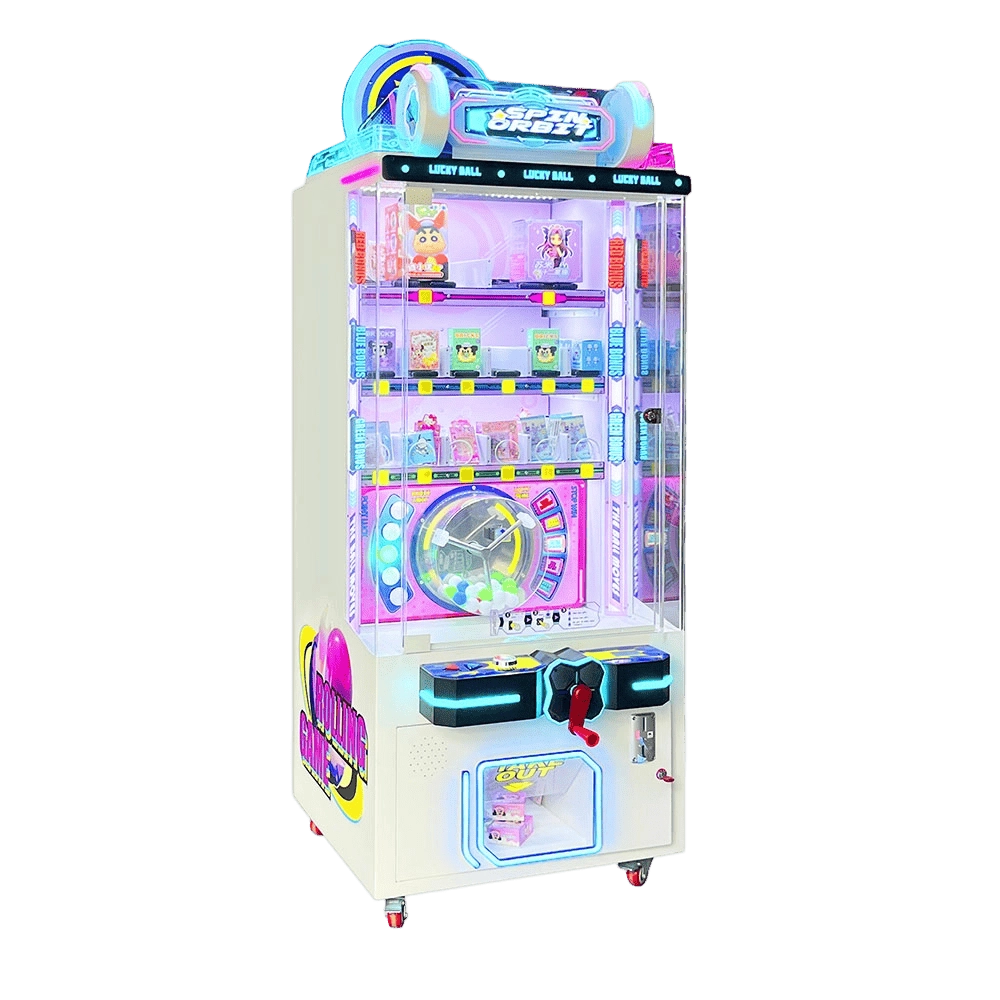
Coin Operated/Card Payment SPIN ORBIT Lucky Prize Arcade Game
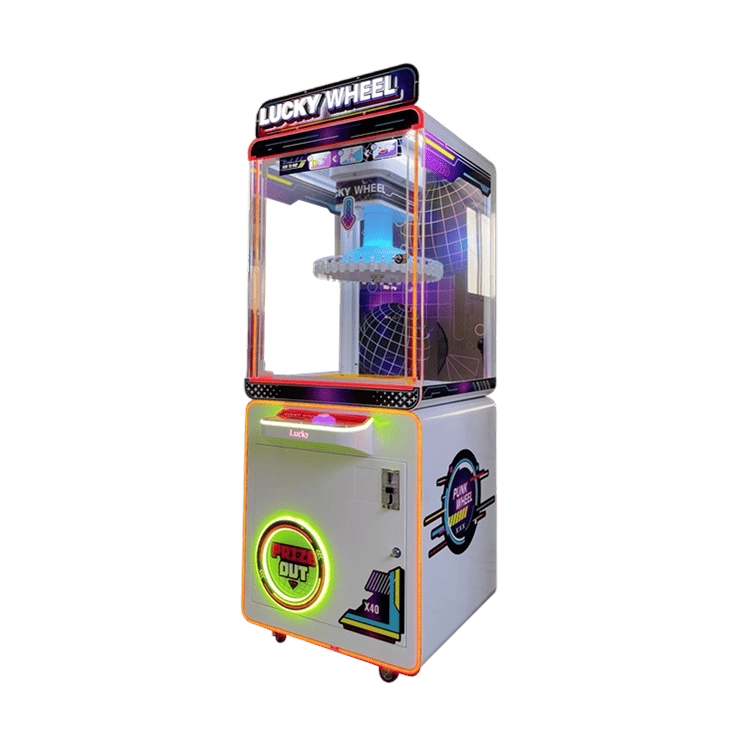
Arcade Prize Lucky Wheel Gift Machine For Amusement Areas
Get in Touch with Jiami Games
If you have any comments or good suggestions, please leave us a message; later our professional staff will contact you as soon as possible.

Innovative Entertainment, at Your Fingertips
Learn about Jiami Games and explore our expertise in console development, innovative design, and global markets.
Quick Links:
© 2026 Jiami Games.
Whatsapp: +8618520390438