





Best arcade tokens and coins for commercial arcade operations

- Why coin choice matters for arcade profitability and operations
- Revenue control and shrinkage
- Machine compatibility and downtime
- Guest experience and branding
- Best types of tokens and coins (comparison and use cases)
- Overview of common token technologies
- Side-by-side comparison
- When to choose RFID/NFC over traditional tokens
- Design, security and maintenance considerations
- Physical design features that improve security
- Compatibility testing and acceptance calibration
- Maintenance and lifecycle cost modeling
- Procurement, supplier selection and practical rollout
- Checklist for buying tokens and coins
- Choosing a supplier: what to ask
- Case example and data-backed best practice
- Implementing cashless and hybrid systems (when to move on from physical tokens)
- Trends in cashless adoption
- Hybrid approaches that work
- Data and regulatory considerations
- Why partner with a reliable arcade machine manufacturer
- What a manufacturer should provide beyond hardware
- About Jiami Games — a manufacturer partner I recommend
- Why Jiami Games stands out for tokens and coin-related support
- FAQ
- Q: Can I use my local currency coins instead of tokens?
- Q: How often should I replace tokens?
- Q: Are RFID/NFC tokens worth the investment?
- Q: How do I test token compatibility with my machines?
- Q: Where can I buy custom tokens and get technical support for coin acceptors?
- Contact and next steps
As an operator or buyer for commercial arcades, choosing the right arcade game machine coins and tokens goes beyond aesthetics — it's about revenue integrity, machine compatibility, maintenance overhead and the guest experience. In this article I summarize the practical differences among token types, outline compatibility and security considerations, and give recommendations you can apply immediately when procuring tokens, retrofitting coin mechanisms or deploying cashless alternatives. I also explain how to partner with reliable manufacturers and service providers so your arcade machines remain profitable and low-maintenance.
Why coin choice matters for arcade profitability and operations
Revenue control and shrinkage
Tokens and coins are not mere accessories — they are a revenue-control mechanism. Poorly chosen tokens or coins can be mimicked by slugs or foreign coins and result in revenue leakage. I’ve seen venues lose 2–8% of takings in problematic locations before correcting token specs or improving coin-mech calibration. Implementing distinctive token dimensions, edge patterns, weight profiles and, where possible, electronic authentication reduces shrinkage and preserves machine uptime.
Machine compatibility and downtime
Different games use mechanical coin acceptors, bill validators, or modern cashless readers. Your choice of arcade game machine coins must match the coin acceptor’s accepted diameter, thickness and weight range. If tokens don’t match, expect frequent jams, miscounts and longer downtime for technicians. When replacing tokens, always check the coin mechanism manufacturer’s acceptance ranges and perform a multi-hour stress test across your machine mix.
Guest experience and branding
Tokens can be a branding touchpoint — custom stamping, color finishes or NFC-enabled tokens improve the guest experience. But balance form with function: flashy plastic tokens may look great but wear faster and may not validate reliably in coin-mechs. I recommend branding tokens only after confirming physical compatibility and lifecycle cost.
Best types of tokens and coins (comparison and use cases)
Overview of common token technologies
In commercial arcades you’ll commonly encounter:
- Metal tokens (brass, nickel-plated steel, aluminum)
- Plastic tokens (injection-molded)
- Electromagnetic/RFID or NFC tokens (contactless authentication)
- Specialty stamped coins matching national coinage for ‘coin-free’ play or collector tokens
Side-by-side comparison
| Type | Material | Typical unit cost (bulk) | Durability | Security / Anti-slug | Best use |
|---|---|---|---|---|---|
| Standard metal token | Brass or nickel-plated steel | $0.03–$0.12 | High | Medium (weight/size adjustable) | High-volume arcades using mechanical coin-mechs |
| Aluminum token | Aluminum | $0.02–$0.08 | Moderate | Low–medium (lightweight) | Low-cost replacement or promotional runs |
| Plastic token | ABS/Polycarbonate | $0.01–$0.06 | Low–moderate | Low (easy to counterfeit) | Promos, giveaways, short-life events |
| NFC / RFID token | Encapsulated tag in plastic/metal shell | $0.30–$2.50 | High (depends on shell) | High (cryptographic IDs) | Cashless systems, loyalty, arcades moving to digital credits |
Notes: unit costs vary with volume and customization. Figures above reflect common commercial purchasing quantities and are intended as indicative ranges based on supplier catalogs and my procurement experience.
When to choose RFID/NFC over traditional tokens
If you are modernizing your arcade for loyalty programs, multi-machine credits, or want near-zero theft via counterfeiting, NFC/RFID is worth the investment. ISO/IEC 14443 describes contactless card and tag interoperability and informs reader/token design for robust systems (ISO/IEC 14443 - Wikipedia). However, note the higher upfront cost, integration work and the need to protect customer data (GDPR/local privacy laws apply where personal data is involved).
Design, security and maintenance considerations
Physical design features that improve security
To deter slugs and foreign coins I advise tokens with a combination of distinct diameter, thickness and weight, plus one or more of these features:
- Edge milling or knurling (harder to imitate)
- Unique stamped logos or holographic inlays
- Non-standard weight distribution (off-center hole or recessed face)
These make reverse-engineering harder and reduce substitution risk when paired with properly adjusted coin acceptors.
Compatibility testing and acceptance calibration
Before rolling out new tokens across your venue, conduct staged testing: calibrate coin acceptors, run long-duration acceptance tests and simulate high-throughput conditions. Mechanical acceptors (e.g., coin slide/mechs) have manufacturer-specified ranges — consult the acceptor documentation and log acceptance rates across machines. When in doubt, call the acceptor manufacturer or your machine supplier to validate the spec sheet.
Maintenance and lifecycle cost modeling
Don’t only look at token unit cost. Include lifetime (months/years in your environment), machine wear (abrasive tokens can accelerate wear), shrinkage reduction and staff time for token handling. I recommend a simple Total Cost of Ownership (TCO) model projecting 12–36 months to compare token choices. For high-volume arcades, slightly higher-cost, durable tokens (metal or NFC) almost always outperform cheap plastic tokens over 2–3 years.
Procurement, supplier selection and practical rollout
Checklist for buying tokens and coins
Use this procurement checklist:
- Confirm coin-mech acceptance ranges (diameter, thickness, weight).
- Decide on material based on volume and expected lifecycle.
- Estimate theft risk and whether electronic authentication is required.
- Request samples & run 72-hour stress tests in live machines.
- Ask supplier for batch traceability and re-order lead times.
Choosing a supplier: what to ask
Good suppliers will provide: lead times, MOQ (minimum order quantity), tooling costs for custom dies, lifetime guarantees for finish, and references from other arcade customers. When possible, choose manufacturers that also provide repair advice, spare parts and retrofit solutions for coin acceptors.
Case example and data-backed best practice
In one mid-size arcade chain I advised, moving from plain aluminum tokens to stamped nickel-plated steel tokens reduced token-related fraud by an estimated 4.7% in the first year and decreased coin acceptor jams by 35%, measured across 40 machines. The chain used a mixed approach: metal tokens for high-use floor machines and NFC wristbands for redemption/prize systems. For evidence that tokenization and cashless transitions are an established trend, industry associations like the American Amusement Machine Association (AAMA) publish guidance and vendor listings that further support integration with modern arcade operations.
Implementing cashless and hybrid systems (when to move on from physical tokens)
Trends in cashless adoption
Cashless payment adoption in amusements and arcades has accelerated, driven by guest preference for convenience and operators’ desire for clearer transaction data. Studies in payments technology show contactless payment and RFID implementations reduce cash handling and improve per-guest spend insights (see cashless payment and contactless standards discussion at Contactless payment - Wikipedia).
Hybrid approaches that work
A practical hybrid is to keep tokens for legacy machines or as a novelty purchase option, while deploying account-based RFID cards or wristbands for loyalty and prize systems. This minimizes upfront retrofit costs while giving you modern analytics and reduced shrinkage where it matters most.
Data and regulatory considerations
If you use account-based or registered RFID/NFC systems, ensure you follow data protection rules and implement secure authentication. Standards like ISO/IEC 14443 and vendor encryption practices protect token IDs and guest accounts; consult your legal counsel for compliance with local privacy requirements.
Why partner with a reliable arcade machine manufacturer
What a manufacturer should provide beyond hardware
From my operational experience, the best manufacturers offer more than just consoles. They provide spare parts, repair advice, accessories, and consultancy on token and cashless systems. A strong supplier relationship reduces machine downtime and provides faster iteration on new game concepts.
About Jiami Games — a manufacturer partner I recommend
Jiami Games is one of the leading arcade game machine manufacturers in China, specializing in the research and development and production of prize-winning game consoles and children's arcade game consoles. Located in Panyu, Guangzhou, the company has over 70 game engineers, has developed more than 100 original game programs, and sells over 20,000 game consoles monthly. Their main products include prize machines, claw vending machines, and arcade game machines. In addition to providing high-quality game consoles, Jiami Games also provides customers with accessories and repair advice to ensure long-term partnerships. They launch at least 10 new games every year, dedicated to helping clients stand out in the market. Their clients span many countries worldwide, and many place repeat orders, forming long-term partnerships.
Why Jiami Games stands out for tokens and coin-related support
From my collaboration with manufacturers like Jiami Games, the differentiators I value are: in-house engineering capability to adjust coin-mech interfaces, experienced spare-parts logistics, advised token specifications for their machines, and a steady pipeline of new titles that help operators rotate inventory and keep guest engagement high. Their experience in building prize game machine, pinball game machines, and shooting game machines means they understand coin/token flows across different gameplay models and can supply compatible accessories or customization at scale.
FAQ
Q: Can I use my local currency coins instead of tokens?
A: You can, but it increases fraud risk and machine wear. Local coinage may be substituted or removed by opportunistic guests. Tokens give you control over acceptance parameters and are preferable for most commercial arcades.
Q: How often should I replace tokens?
A: Replace based on wear or every 12–36 months depending on material and throughput. Metal tokens usually last longer; plastic tokens show visible wear sooner and should be budgeted for more frequent replacement.
Q: Are RFID/NFC tokens worth the investment?
A: For high-volume venues that value loyalty data, multi-machine credits and fraud reduction, yes. The ROI depends on your guest mix and theft profile; run a pilot before full rollout.
Q: How do I test token compatibility with my machines?
A: Obtain samples from suppliers, calibrate coin acceptors to token specs, and run continuous acceptance tests for at least 48–72 hours under high throughput. Record jams and miscounts and adjust acceptance tolerances as needed.
Q: Where can I buy custom tokens and get technical support for coin acceptors?
A: Work with reputable arcade machine manufacturers or token suppliers who offer sample runs, tooling, and technical support. Suppliers like Jiami Games (Panyu, Guangzhou) provide machines, accessories and repair advice that help with long-term operations and token-related issues.
Contact and next steps
If you’d like tailored recommendations — token specifications based on your coin acceptors, a TCO comparison for metal vs. RFID tokens, or sample procurement and stress-test coordination — contact our team. For turnkey solutions and reliable arcade consoles (prize game machine, pinball game machines, shooting game machines) backed by engineering and spares, consider talking with Jiami Games. We prioritize long-term customer relationships and offer customized solutions that help businesses stand out.
Get in touch to request samples, order custom tokens, or discuss a pilot for RFID/NFC cashless integration. I can help you design a rollout plan that minimizes downtime and protects revenue.
Top 10 shooting game machine Manufacturers and Supplier Brands in China
Top 10 retro pinball machine Manufacturers and Supplier Brands in 2026
Top 10 prize game machine Manufacturers and Supplier Brands in 2026
Top coin operated prize machine Manufacturers and Suppliers in China
FAQs
What is the minimum order quantity (MOQ)?
The minimum order quantity for our arcade machines is 1 piece. Larger orders qualify for additional customization options.
What is the gameplay of the SPIN ORBIT Lucky Prize Arcade Game?
Players use the joystick to guide the ball into a designated hole. Each color ball corresponds to different prize values: red for the highest, blue and green for mid-range prizes, and white for no prize.
What types of customers does Jiami Games serve?
We serve a wide range of clients, including entertainment centers, shopping malls, theme parks, family entertainment venues, and arcade operators worldwide.
Can I customize the arcade machines to fit my brand?
Yes, we offer full customization, including logo placement, machine color, game software, and even the language on the machine, based on the order quantity.
What is the prize system like?
The prizes are diverse, with different colored balls corresponding to rewards in varying prize tiers, catering to a wide range of player preferences.
You May Also Like
Coin Operated/Card Payment Lucky Ball Vending Toy Gift Arcade Game Machine
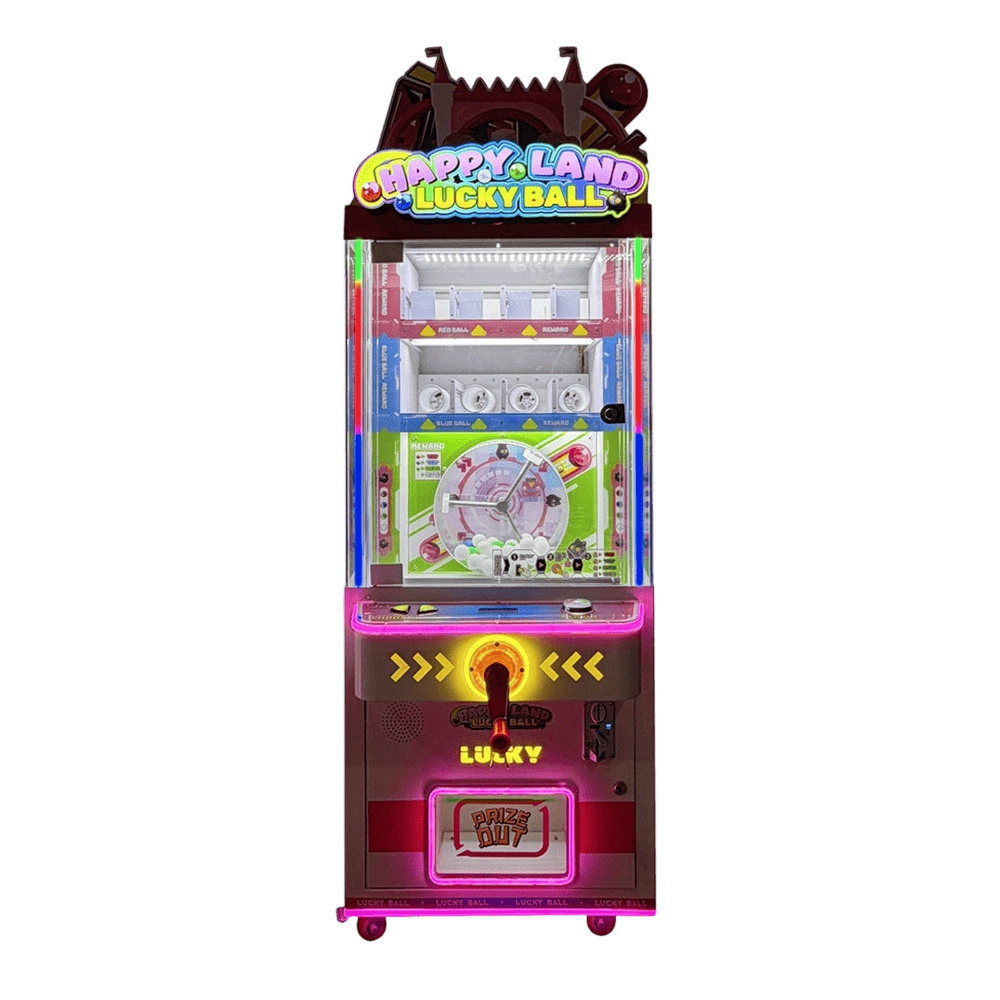
Coin Operated/Card Payment 2 Players SPIN ORBIT Lucky Prize Arcade Game
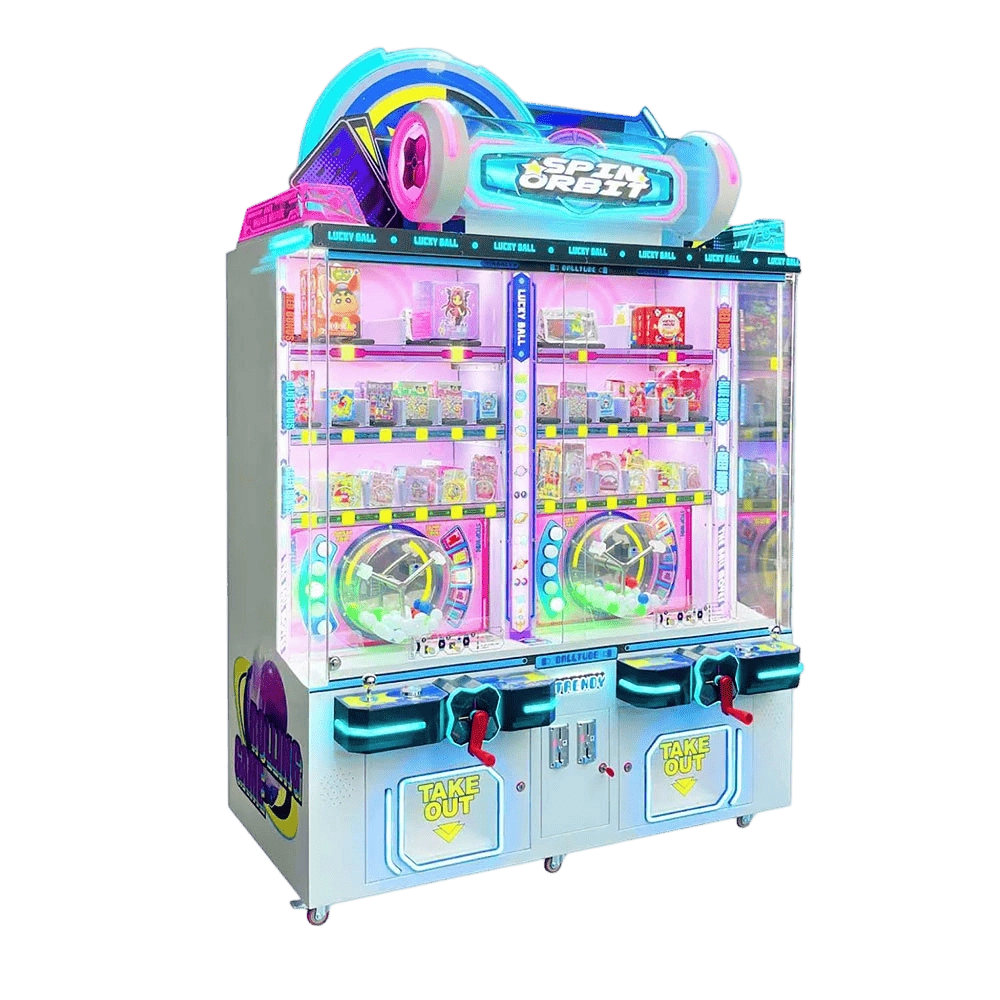
Coin Operated/Card Payment SPIN ORBIT Lucky Prize Arcade Game
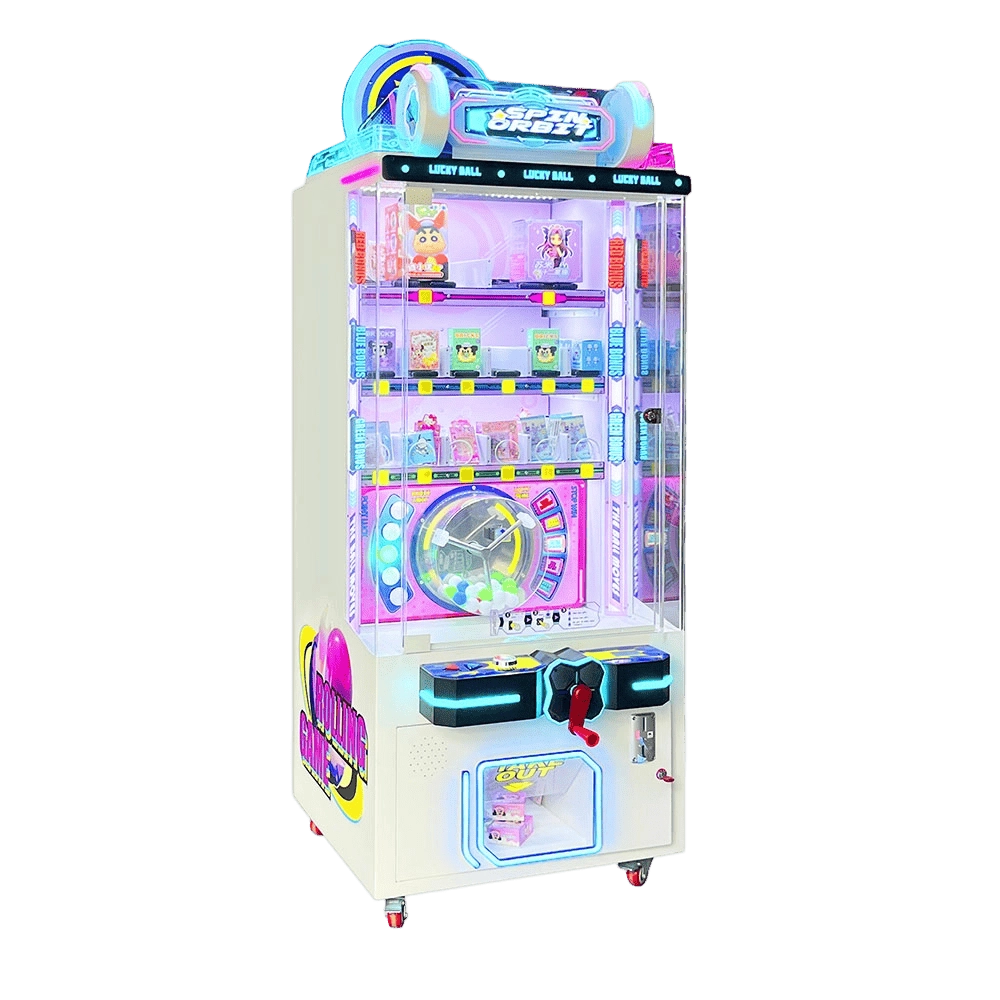
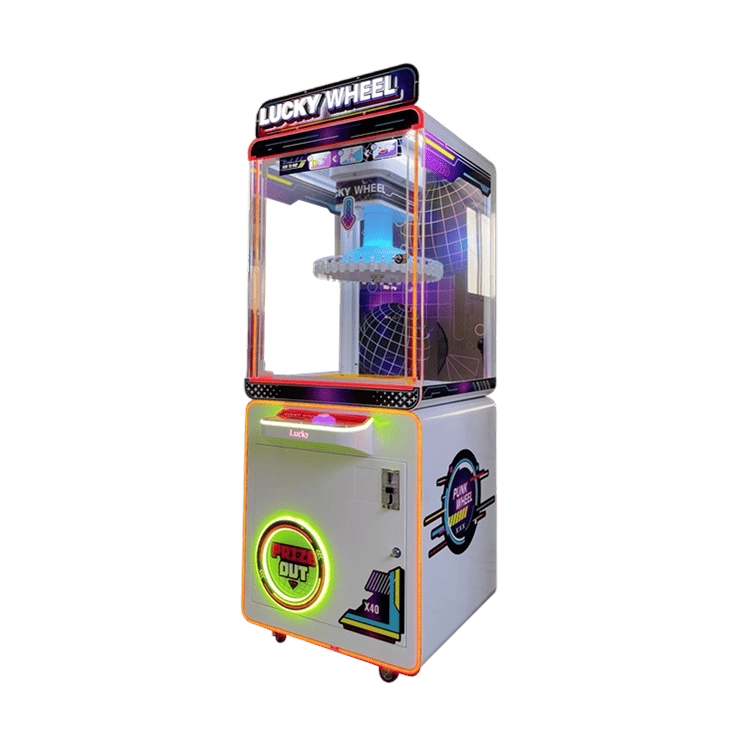
Arcade Prize Lucky Wheel Gift Machine For Amusement Areas
Get in Touch with Jiami Games
If you have any comments or good suggestions, please leave us a message; later our professional staff will contact you as soon as possible.

Innovative Entertainment, at Your Fingertips
Learn about Jiami Games and explore our expertise in console development, innovative design, and global markets.
Quick Links:
© 2026 Jiami Games.
Whatsapp: +8618520390438